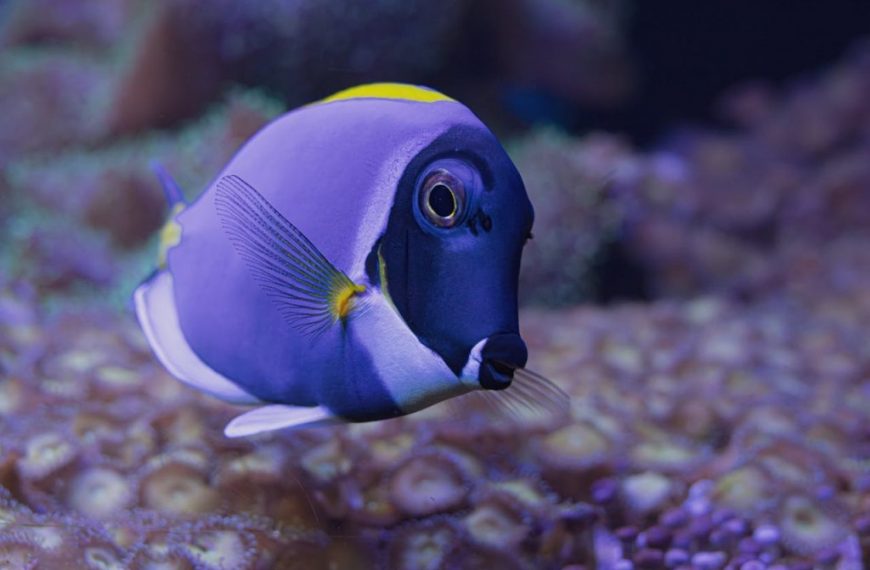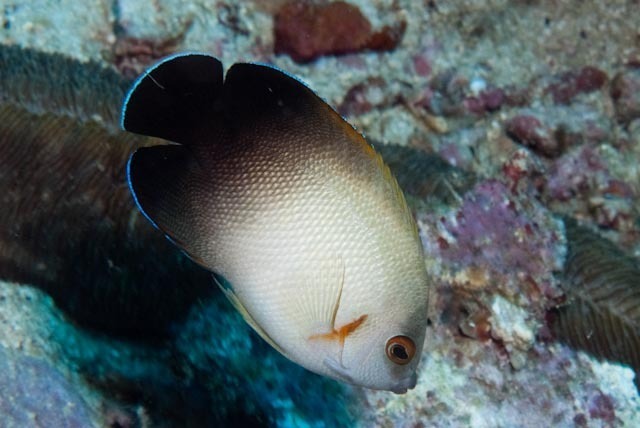
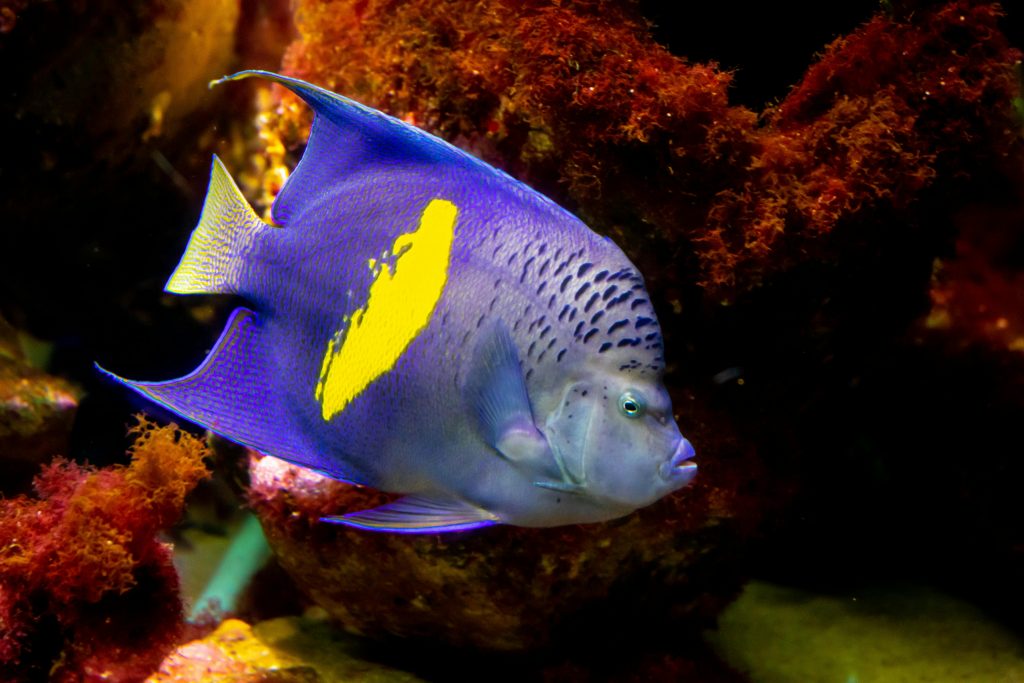
The Asfur angelfish is a bold Red Sea showpiece. It mixes striking color with big personality. It also brings real husbandry challenges.
Tank size, aquascape, and water targets
Plan for an adult fish, not a juvenile. A minimum of 180 gallons works for one Asfur. Many keepers prefer 220 gallons for better stability. Adults can reach about 16 inches in length.
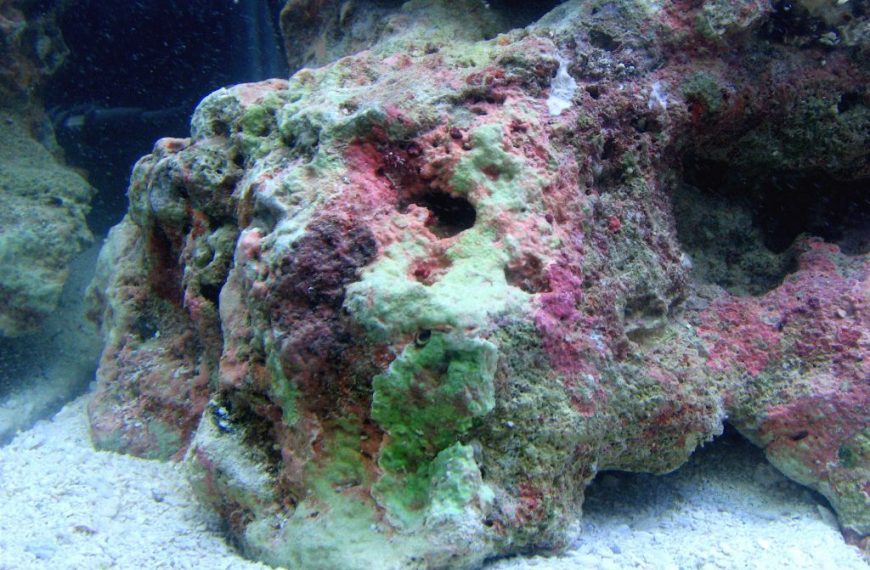
Build a rockscape with caves and swim lanes. Use tall bommies and arches for shade. Leave open sand for turning space. Add at least two deep hiding spots to reduce stress.
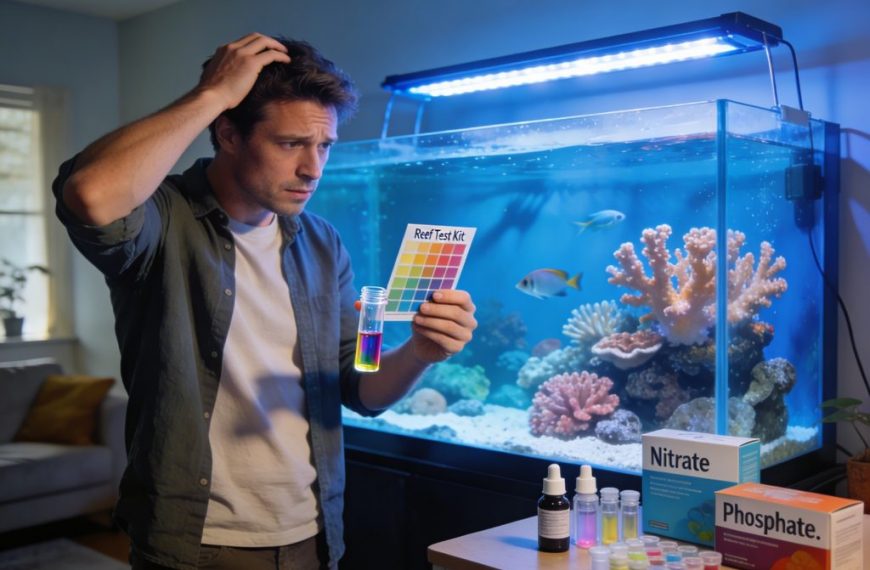
Keep parameters steady and boring. Aim for 25–26°C (77–79°F) and 1.025 specific gravity. Keep pH at 8.1–8.4 and alkalinity at 8–9 dKH. Hold nitrate at 5–20 ppm and phosphate at 0.03–0.10 ppm.
Use strong filtration and high oxygen. Target 10–20x turnover with mixed flow. Run a skimmer sized for 250+ gallons. Add a refugium or algae reactor for nutrient control. For setup basics, see reef tank setup checklist.
- Provide 3–5 large caves with multiple exits.
- Use a tight lid or mesh top to prevent jumping.
- Quieter zones help the fish settle and feed sooner.
Feeding strategy for long-term health
Asfur angels are omnivores with a sponge bias. Many fade or thin out from poor diet. Feed smaller portions two to three times daily. Use an autofeeder for pellets if you work long hours.
Base meals on quality angelfish formulas with sponge. Add frozen mysis and chopped clam for protein. Offer nori sheets three to four times weekly. Soak foods in vitamins once or twice weekly.
Watch the belly line and dorsal thickness. A pinched belly signals underfeeding or parasites. Stringy white feces can indicate internal worms. In that case, isolate and treat in quarantine. Review quarantine protocol for saltwater fish for a step plan.
Use feeding stations to reduce waste. Thaw frozen food and strain the juice. This cuts phosphate spikes. Remove leftover nori after four hours. Stable nutrients help color and fin condition.
- Daily: 1–2 pellet feedings plus one frozen feeding.
- Weekly: 1–2 vitamin soaks and one algae-heavy day.
- Goal: a rounded belly without rapid nitrate climbs.
Compatibility, reef risk, and common problems
Asfur angels can be territorial. Keep one large angel per tank in most systems. Add the Asfur last when possible. This reduces bullying and claim-staking.
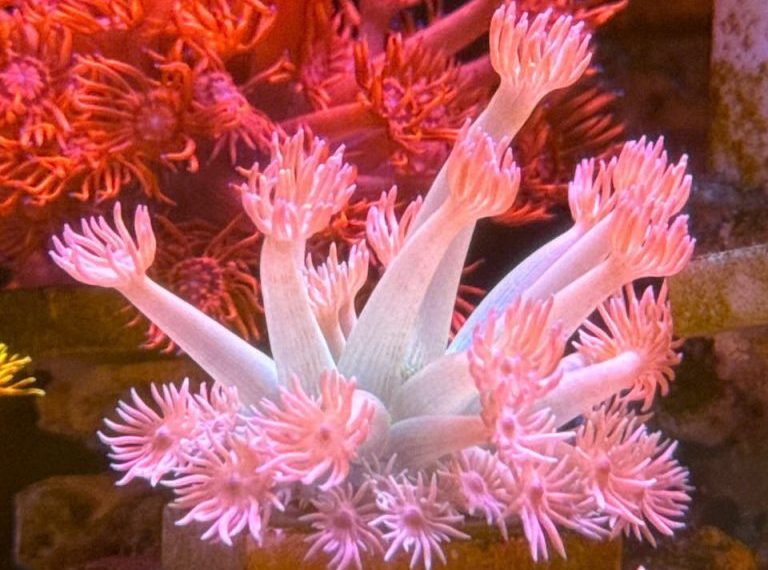
They are not reliably reef safe. Many will nip LPS, zoas, and clam mantles. Some ignore SPS polyps, but it varies by individual. If you try a reef, start with cheap frags and observe.
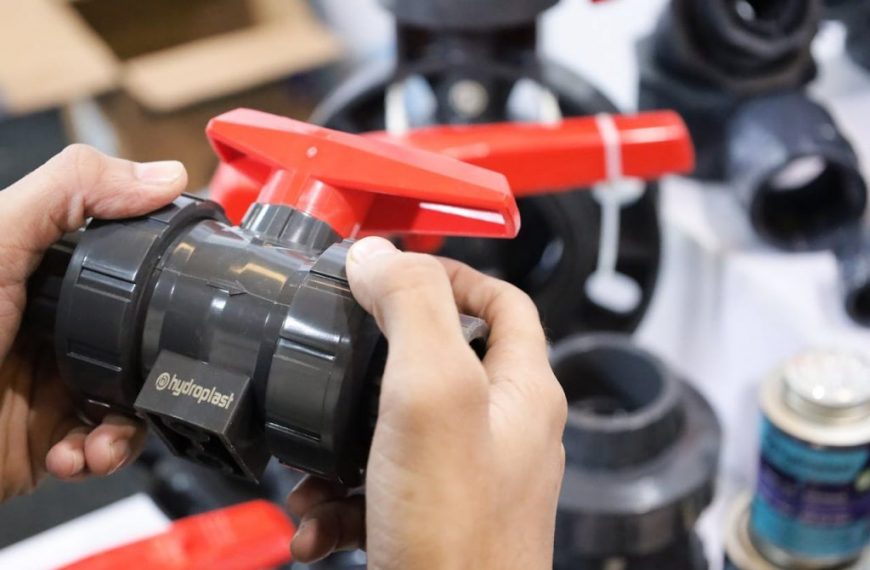
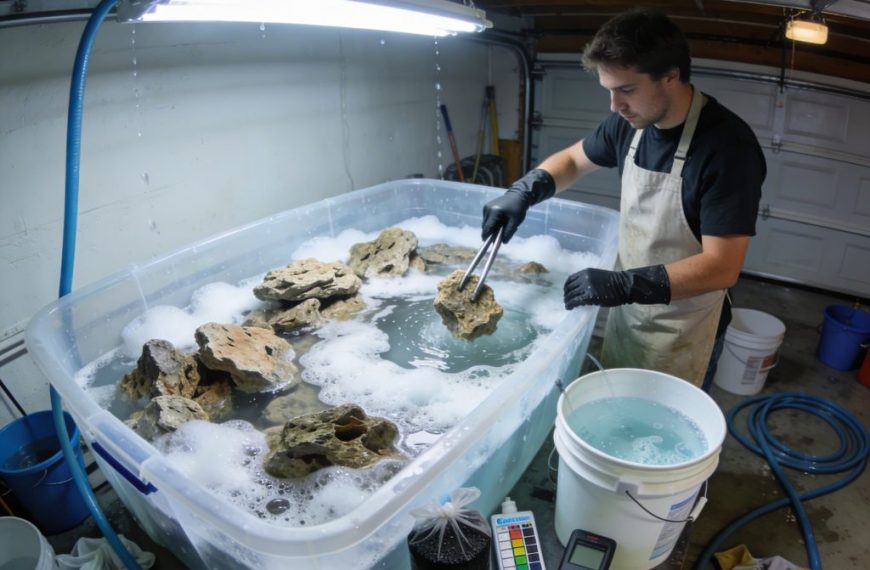
Ich and flukes are common imports. Quarantine for 30 days in a bare tank. Use a heater, sponge filter, and PVC hides. Check for flashing and cloudy eyes. Keep copper and praziquantel on hand.
Head and lateral line erosion can appear in cramped or dirty systems. Improve diet, reduce stray voltage, and increase water changes. Run fresh carbon and replace it weekly at first. For maintenance rhythm, see reef tank maintenance schedule.
- Common mistake: buying a 3-inch juvenile for a 120-gallon tank.
- Common mistake: skipping sponge-based foods for months.
- Troubleshooting: if it stops eating, dim lights and offer clam on half shell.
Sources: FishBase (Pomacanthus asfur species profile); Scott W. Michael, “Angelfishes & Butterflyfishes”; Fenner, “The Conscientious Marine Aquarist.”
 By
By