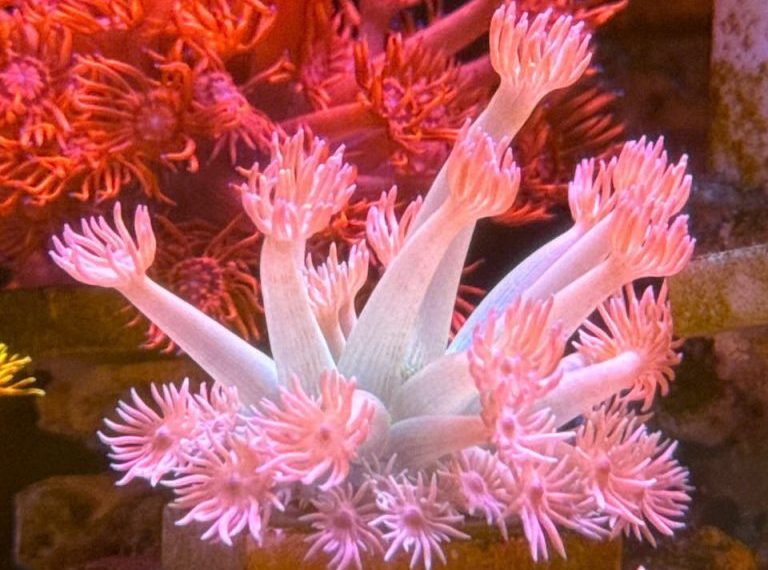
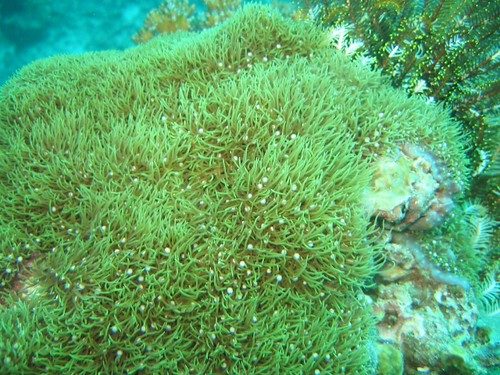
Green star polyps are tough, fast-growing corals with bright green tentacles. They can thrive in many reef tanks when you control their spread. This guide covers setup, flow, lighting, and day-to-day care.
Placement, lighting, and water parameters
Green star polyps (GSP) do best on isolated rock or a separate “island.” This limits overgrowth on nearby corals. Avoid placing them on your main reef structure. They can encrust fast and shade slower corals.
Lighting is flexible. Start at 50–150 PAR for steady growth. They can adapt up to 200 PAR in many tanks. Use a slow acclimation over 10–14 days. Reduce intensity by 20% if polyps stay closed.
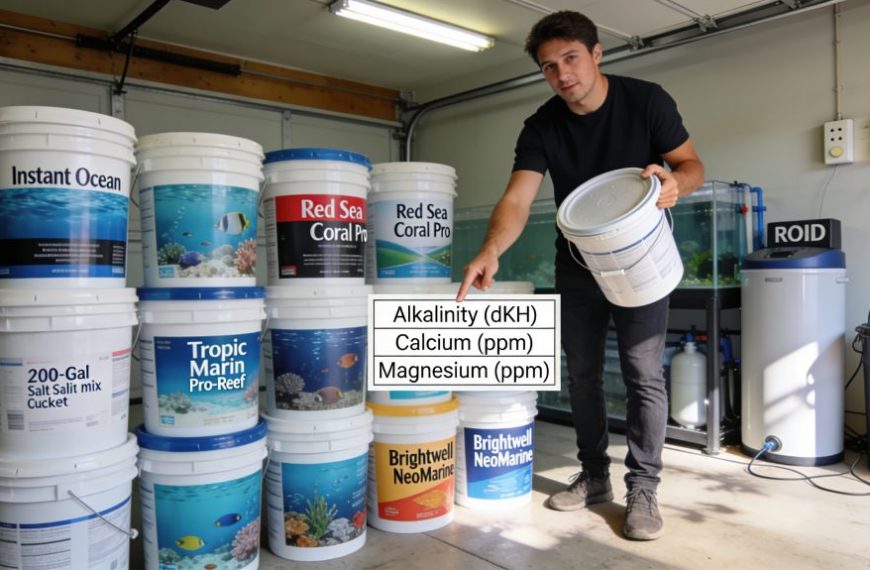
Aim for stable reef parameters. Keep temperature 24–26°C (75–79°F). Maintain salinity at 1.025–1.026 specific gravity. Target alkalinity 8–9 dKH and calcium 400–450 ppm. Keep magnesium near 1250–1350 ppm.
Nutrients matter for color and extension. Keep nitrate around 2–15 ppm. Keep phosphate around 0.03–0.10 ppm. Ultra-low nutrients can cause poor extension. High nutrients can fuel algae on the mat.
- Place GSP on a removable rock for easy trimming.
- Use a PAR meter or preset schedule for consistent light.
- Test alkalinity weekly in newer tanks and after dosing changes.
For more baseline targets, review our reef tank water parameters guide. Stable numbers beat “perfect” numbers every time.
Flow, feeding, and daily care routines
Flow is the key to happy GSP. Aim for moderate to strong, indirect flow. The polyps should sway and stay clean. If the mat collects detritus, increase flow or change the angle. If polyps fold hard, reduce direct blast.
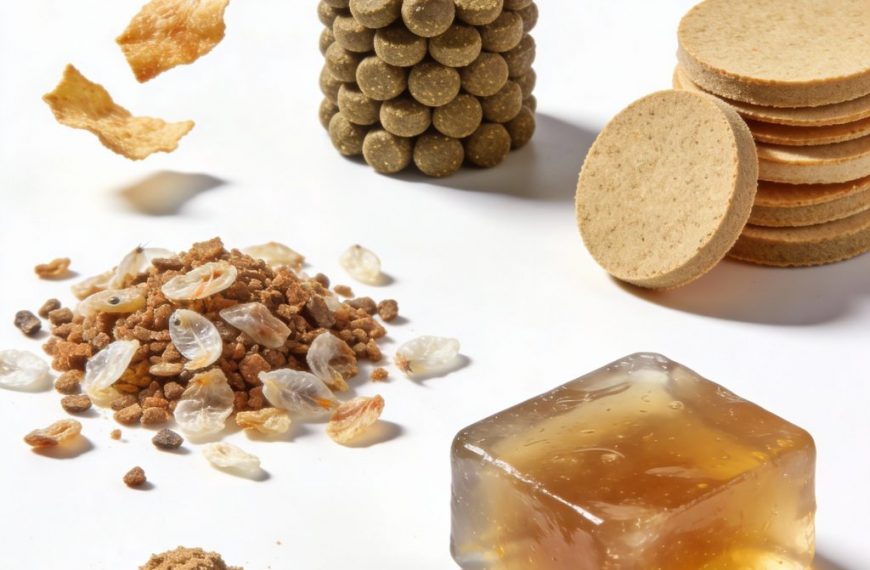
GSP get most energy from light and dissolved nutrients. Direct feeding is optional. You can feed fine foods once or twice weekly. Try reef roids, rotifers, or finely blended mysis. Turn off pumps for 10 minutes during feeding.
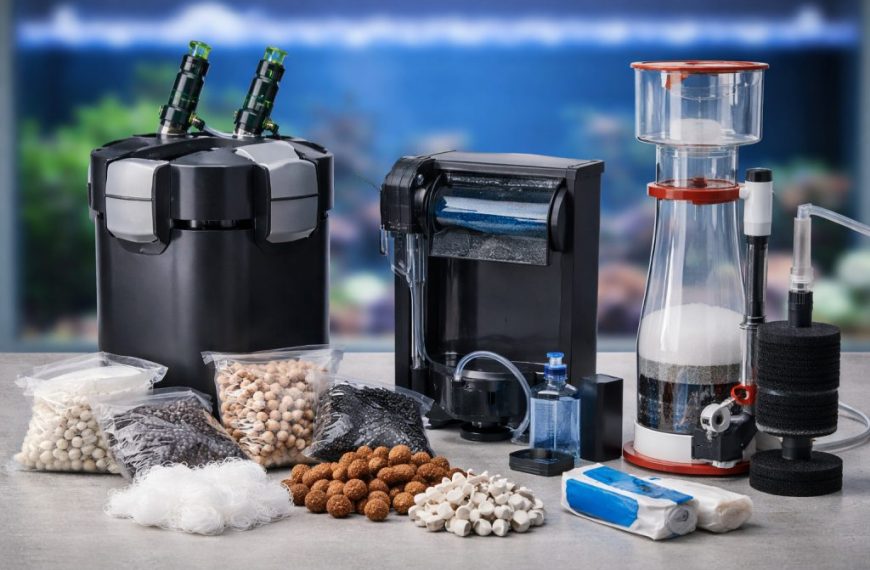
Plan a simple maintenance rhythm. Blow detritus off the mat with a turkey baster twice weekly. Clean nearby glass to reduce shading. Run activated carbon if you keep many soft corals. This helps with chemical irritation in mixed reefs.
Use quarantine when possible. Pests can hitchhike on frag plugs. Inspect for nudibranchs, flatworms, and algae. Dip new frags and remove the plug if needed. Our coral dip guide outlines safe steps.
- Target 20–40x total tank turnover for better mat cleanliness.
- Feed small amounts and watch phosphate after each week.
- Use carbon 1–2 days per week if soft corals look irritated.
Controlling growth and troubleshooting closed polyps
GSP can overrun rockwork in months. Control it with smart placement and trimming. Peel the purple mat from rock edges with tweezers. You can also cut the mat with scissors on removable stones. Wear gloves and eye protection during trimming.
If GSP stays closed, check the basics first. Verify salinity with a calibrated refractometer. Confirm temperature stability across day and night. Then test alkalinity, nitrate, and phosphate. Sudden alkalinity swings often cause retraction.
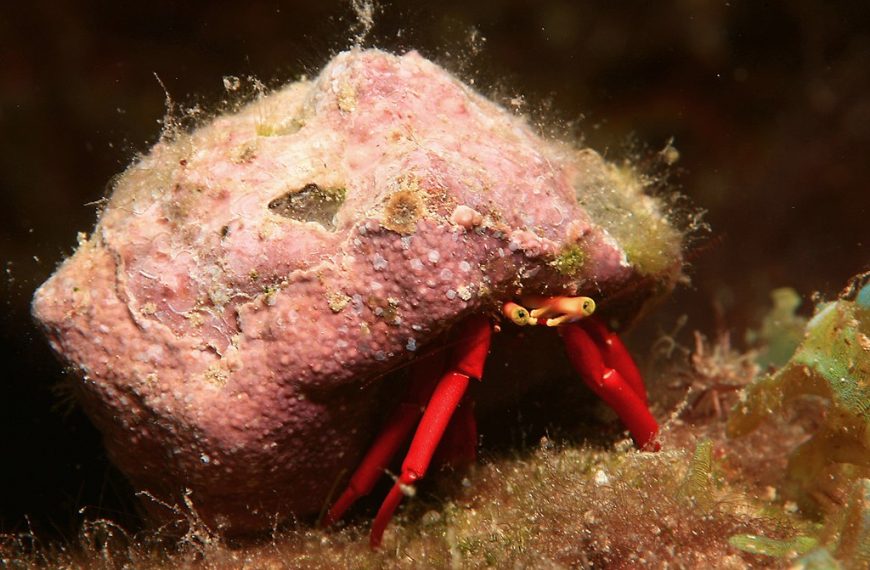
Also check for physical causes. Look for sand on the mat after storms. Check for algae film blocking polyps. Watch for fish picking at the colony. Some angelfish and butterflies may nip. Even strong hermit activity can keep polyps closed.
Try a simple recovery plan. Increase indirect flow and gently baste debris daily. Reduce light by 10–20% for three days if bleaching appears. Restore nutrients if nitrate is near zero. If the mat is damaged, move it to lower traffic.
- Keep a 2–3 cm buffer zone between GSP and other corals.
- Trim monthly in fast-growth tanks with higher nutrients.
- Stabilize alkalinity within 0.3 dKH day to day.
If you plan a mixed soft coral tank, see our soft coral compatibility tips for spacing ideas.
Green star polyps reward stable parameters, strong flow, and smart placement. Keep nutrients in a reasonable range and trim before they spread. With simple routines, GSP can be a bright, reliable centerpiece in most reef tanks.
Sources: Borneman, E. (2001) Aquarium Corals; Delbeek, J.C. & Sprung, J. (1994–2005) The Reef Aquarium series; Fenner, R. (2003) The Conscientious Marine Aquarist.
 By
By