Clove Polyps Coral Care Basics
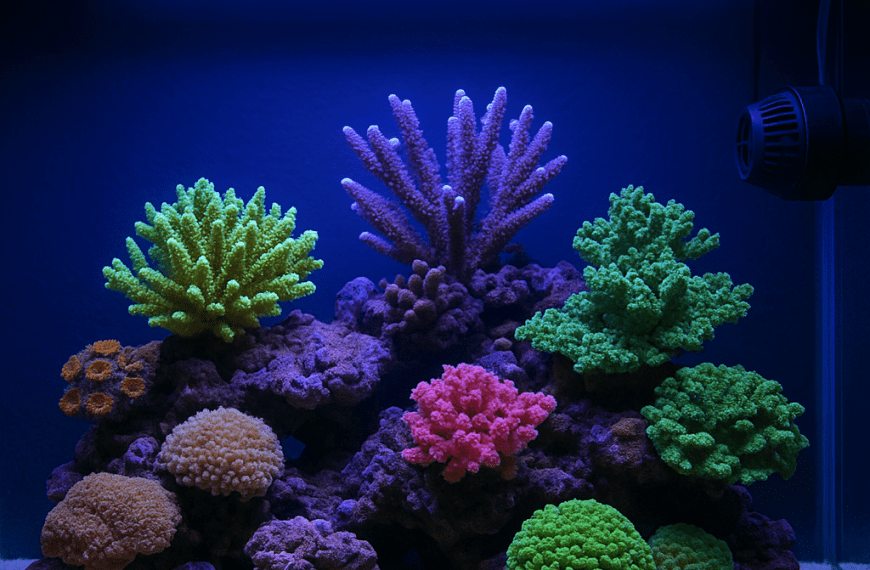
Clove polyps are soft corals with waving, feathery tentacles. They look fantastic in motion. Many hobbyists call them easy beginner corals. They still need good planning, though.
Clove polyps spread fast. They can quickly cover rockwork if conditions are right. Plan placement carefully from the start.
For a general coral overview, see our guide on soft corals for beginners. It explains basic reef tank needs.
Lighting and Flow
Clove polyps like moderate reef lighting. Most LED reef lights work well. Avoid sudden jumps in intensity. Increase brightness slowly over several weeks.
They prefer moderate, indirect flow. Strong direct flow can cause them to stay closed. Gentle, random flow keeps them happy and clean.
- Aim for polyps that sway, not whip around.
- Use wavemakers on random or reef modes.
- Avoid pointing powerheads directly at the colony.
Water Parameters
Stable water is more important than perfect numbers. Keep parameters consistent every day.
- Temperature: 77–79°F
- Salinity: 1.025–1.026 specific gravity
- pH: 8.1–8.4
- Alkalinity: 8–9.5 dKH
- Calcium: 400–450 ppm
- Magnesium: 1250–1350 ppm
Perform regular water changes. Ten to fifteen percent weekly works well for most tanks. Test parameters often when adding new corals.
Placement, Feeding, and Growth Control
Tank Placement Tips
Place clove polyps on their own rock island. This helps control spreading. Keep them away from prized SPS frags.
Start them on the sandbed or lower rockwork. Watch their response for a week. Then slowly move them higher if needed.
- If polyps stretch upward, they may want more light.
- If they shrink or bleach, lower the light intensity.
- If they stay closed, check flow and nearby pests.
For more layout ideas, see our article on aquascaping a reef tank. It covers coral zoning and islands.
Feeding and Nutrients
Clove polyps hold zooxanthellae. They get most energy from light. They also enjoy dissolved nutrients.
You can feed them occasionally. Use very fine coral foods or reef roids. Target feed lightly once a week or less.
- Turn off flow during target feeding.
- Use a pipette or turkey baster.
- Avoid overfeeding. It can raise nutrients too quickly.
Keep nitrates and phosphates detectable but not extreme. Many hobbyists aim for 5–15 ppm nitrate. Phosphate around 0.03–0.1 ppm works for most mixed reefs.
Controlling Fast Growth
Clove polyps can become invasive. Plan control from the beginning.
- Use isolated rocks that are easy to remove.
- Trim colonies by cutting the mat with a sharp scalpel.
- Remove unwanted pieces with tweezers or siphon.
- Trade extra frags with other hobbyists.
Always wear gloves when handling corals. Rinse tools in clean freshwater after fragging.
If you enjoy fast-growing soft corals, you may also like green star polyps care. Many care principles are similar.
Common Problems to Watch For
- Polyps staying closed: check for pests, nudibranchs, or aggressive neighbors.
- Tissue recession: test alkalinity and salinity first.
- Fading color: review lighting and nutrient levels.
Address issues early. Small problems are easier to fix than large crashes.
 By
By