
If you’re looking for a bold, personality-packed clownfish, the Gold Stripe Maroon Clownfish is hard to beat. With its deep maroon body and brilliant golden bands, this fish becomes a true focal point in any saltwater aquarium. It’s hardy, long-lived, and full of attitude—perfect for hobbyists who appreciate a bit of drama in their reef.
Gold Stripe Maroon Clownfish Basics
The Gold Stripe Maroon Clownfish (Premnas biaculeatus) is a variant of the maroon clown that develops rich golden stripes as it matures. Juveniles often show pale or whitish bands that slowly turn gold over the first year or two.
Key Care Parameters
- Tank size: 30+ gallons for a single, 55+ gallons for a pair
- Temperature: 76–80°F (24–27°C)
- Salinity: 1.024–1.026 specific gravity
- pH: 8.1–8.4
- Diet: Omnivore – pellets, frozen mysis, brine, and quality marine blends
Gold Stripe Maroons are relatively forgiving of minor parameter swings, but stable, clean water is still essential. If you’re new to saltwater, make sure you’ve already mastered the basics of cycling and regular maintenance. For more guidance on early stocking choices, see our post on Ocellaris Clownfish Care.
Temperament, Pairing, and Tankmates
This is one of the most territorial clownfish species. Females grow larger (up to about 6 inches) and can be quite aggressive, especially around their hosting site or anemone.
Behavior & Pairing Tips
- One pair per tank: Avoid keeping multiple maroon clowns in the same system unless you’re experienced with pairing and have ample space.
- Start with a size difference: Introduce a noticeably smaller juvenile with a larger established fish to encourage a stable female–male pair.
- Use an acclimation box: When adding a new mate, use a clear acclimation box so the resident fish can see but not attack the newcomer.
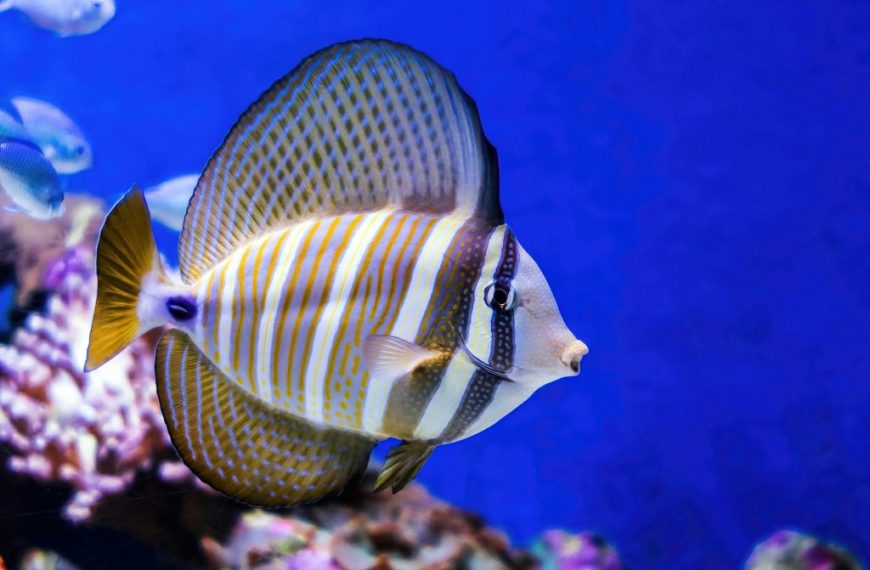
Compatible tankmates include robust species like larger wrasses, tangs, and dwarf angels. Avoid very timid or tiny fish that may be bullied. When designing your stocking plan, consider how this clown’s defensive nature fits into your broader reef tank stocking strategy.
Reef Compatibility, Anemones, and Feeding
Gold Stripe Maroon Clownfish are generally reef-safe with corals and invertebrates, though their digging and rearranging can disturb loose pieces and sandbeds.
Anemone Hosting
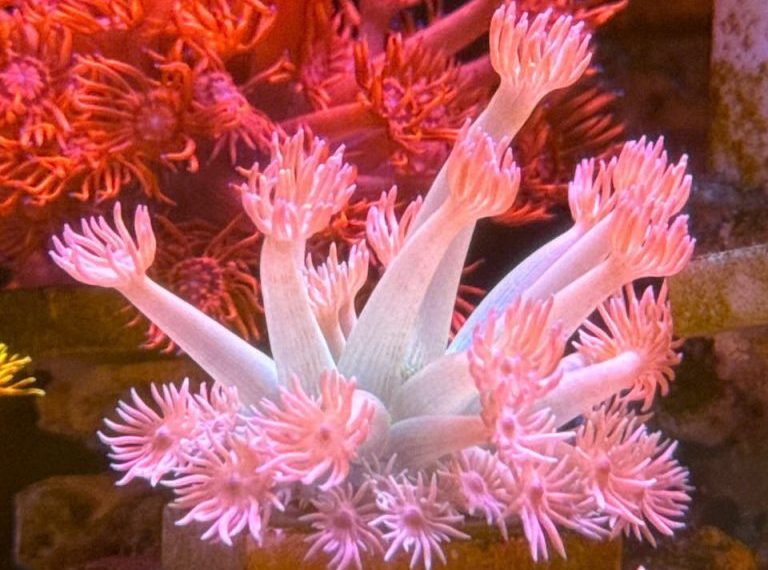
In the wild, maroon clowns naturally associate with bubble tip anemones (Entacmaea quadricolor). In aquariums, they often accept:
- Bubble tip anemones (green, rose, or specialty color morphs)
- Occasional hosting in large fleshy corals or even powerheads and corners
Tip: Always ensure your tank is mature (6+ months) and stable before adding an anemone. Strong lighting and moderate flow are key to long-term success.
Feeding for Color and Health
- Offer a varied diet: high-quality marine pellets, frozen mysis, enriched brine, and finely chopped seafood.
- Feed small amounts 1–2 times daily to maintain bright coloration and robust immune health.
- Supplement with vitamin-enriched foods to support long-term vitality.
For more ideas on building a thriving environment around this species, check out our guide to beginner reef tank setup.
With their striking golden bands and commanding presence, Gold Stripe Maroon Clownfish offer a unique blend of beauty and attitude. In a properly sized, thoughtfully stocked aquarium, they can become the centerpiece fish you build the rest of your reef around—rewarding you with years of engaging behavior and vivid color.
Sources
- Fenner, R. (2001). The Conscientious Marine Aquarist. Microcosm Ltd.
- Michael, S. W. (2008). Marine Fishes: 500+ Essential-To-Know Aquarium Species. TFH Publications.
- Borneman, E. H. (2001). Aquarium Corals: Selection, Husbandry, and Natural History. TFH Publications.
 By
By