Starting a saltwater aquarium is one of the most rewarding projects in the hobby. With the right plan, you can avoid common beginner mistakes and create a thriving marine system that’s stable, beautiful, and enjoyable to maintain. This saltwater aquarium setup guide walks you step by step from empty tank to a cycled, fish-ready reef.
Planning Your Saltwater Aquarium Setup
Before you buy equipment, decide what kind of tank you want. A peaceful community reef with clownfish and soft corals needs different gear than a predator tank or SPS-dominated system.
Choose the Right Tank and Location
- Tank size: 20–40 gallons is a sweet spot for beginners: large enough to be stable, small enough to be affordable.
- Glass vs. acrylic: Glass is more scratch-resistant; acrylic is lighter but scratches easily.
- Location: Keep the tank away from windows and vents, and make sure the stand is level and rated to hold the full weight.
For more help on picking dimensions and style, see our Beginner Saltwater Tank Size Guide.
Essential Equipment Checklist
- Protein skimmer: Improves water quality and oxygenation.
- Heater and thermometer: Aim for 77–79°F (25–26°C) with minimal swings.
- Return pump or powerheads: Target 20–30x tank volume per hour in total flow for a reef.
- Reef lighting: LEDs designed for coral growth are efficient and controllable.
- RO/DI unit: Produces pure water and prevents nuisance algae fueled by tap-water contaminants.
Pro tip: Buy the best skimmer and lights your budget allows. Upgrading later usually costs more than starting with solid, mid-range gear.
Step-by-Step: Building and Cycling Your System
1. Add Rock, Sand, and Saltwater
- Rinse dry sand in RO/DI water until mostly clear.
- Arrange live rock or dry rock to create caves and open swim space.
- Mix a quality reef salt with RO/DI water to 1.025–1.026 specific gravity using a refractometer.
- Fill the tank, start the heater and pumps, and let everything run 24 hours to stabilize.
For more on balancing rock, sand, and filtration, check out our Live Rock vs. Dry Rock for Reef Tanks guide.
2. Cycle the Aquarium
- Use a bottled bacteria product or a small piece of established live rock.
- Ghost feed (add a pinch of food) or dose pure ammonia to start the cycle.
- Test ammonia, nitrite, and nitrate every few days.
- The tank is cycled when ammonia and nitrite are zero and nitrate is detectable.
Pro tip: Be patient. Rushing livestock into an uncycled tank is the fastest way to lose fish and get discouraged.
3. Add Your First Livestock
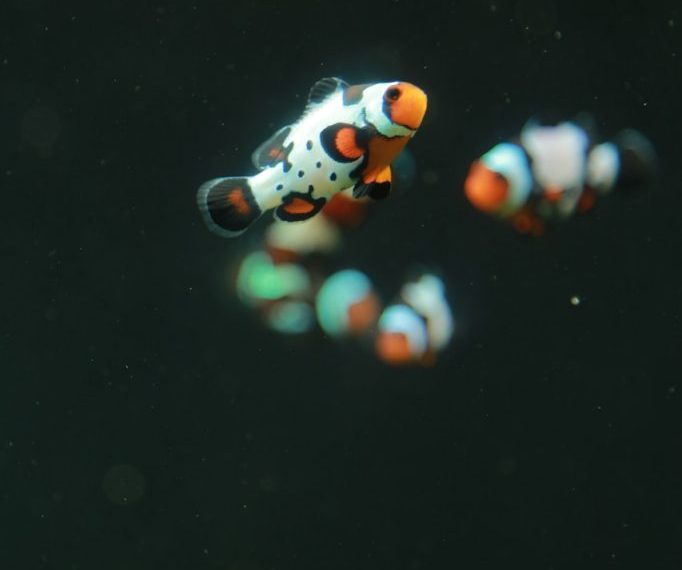
- Start with hardy species like clownfish, firefish, or cleaner shrimp.
- Acclimate slowly using a drip line or cup method over 30–45 minutes.
- Introduce only 1–2 fish at a time and test water weekly.
- Wait a few weeks of stability before adding beginner-friendly corals like mushrooms and zoanthids.
When you’re ready to stock up, use our Beginner Reef Fish Stocking List to choose compatible species and avoid aggression.
Wrapping Up: Keep It Stable, Keep It Simple
A successful saltwater aquarium setup comes down to planning, patience, and consistency. Choose an appropriate tank size, invest in reliable equipment, allow the nitrogen cycle to complete, and add livestock slowly. Once your system is running, stick to regular water changes, test key parameters, and make small, gradual adjustments rather than big swings.
With a solid foundation, your saltwater tank will reward you for years with vibrant fish, growing corals, and endless opportunities to learn and refine your skills in the marine aquarium hobby.
Sources
- Sprung, J. & Delbeek, J.C. The Reef Aquarium, Volume 1. Ricordea Publishing.
- Fenner, R. The Conscientious Marine Aquarist. Microcosm.
- Holmes-Farley, R. “Reef Aquarium Water Parameters.” Advanced Aquarist.
 By
By