A sump adds water volume and hides equipment. It also improves gas exchange and stability. Good sump design starts with simple goals and measured flow.
Plan the layout and water path
Start with your tank size and stand space. Measure the inside footprint in inches. Leave room for removing skimmer cups and filter socks.
Most sumps use three zones. Use an inlet and mechanical zone first. Place the skimmer zone next. End with a return zone for the pump.
Keep the water path simple and quiet. Use 1 inch drains for most 40 to 120 gallon systems. Aim for 3 to 5 times display turnover per hour.
Example: a 75 gallon reef runs well at 225 to 375 GPH. Higher flow often adds noise and microbubbles. Save high flow for in-tank circulation pumps.
- Sketch the sump in three rectangles before buying baffles.
- Match drain capacity to your target flow, not pump max rating.
- Plan a straight shot for plumbing to reduce head loss.
For more system planning, see reef tank plumbing basics. If you are choosing a pump, review return pump sizing guide.
Set water heights, baffles, and safety volume
Water height controls skimmer performance. Many skimmers like 7 to 9 inches of water. Check your manual and build that height into the skimmer chamber.
Use baffles to trap bubbles and stabilize levels. A common set is over-under-over. Keep 1 inch spacing between baffles for easy cleaning.
The return chamber level will drop from evaporation. Make it large enough for at least one day. Many reefs evaporate 0.5 to 1.5 gallons daily.
Always design for power-off drain down. Turn off the return pump and watch the sump rise. Leave at least 20% empty space for that backflow volume.
- Mark “running level” and “max safe level” on the sump wall.
- Drill siphon-break holes just under the display waterline.
- Keep return nozzles near the surface to limit back siphon.
If you plan an ATO, place the sensor in the return chamber. Keep it away from bubbles. Learn setup details in auto top-off setup.
Choose equipment and troubleshoot common issues
Pick equipment that fits the chambers you planned. A skimmer needs a stable footprint and water depth. A heater works best in high flow water near the inlet.
Filter socks or cups catch debris fast. Change socks every 2 to 4 days. If you wait longer, nitrate and odor can climb.
Refugiums are optional but useful. Run a small refugium at 10 to 20% of sump flow. Use a light on a reverse cycle to reduce pH swings.
Microbubbles often come from high drain flow or low baffle spacing. Reduce return pump speed first. Then check for a leaking union pulling in air.
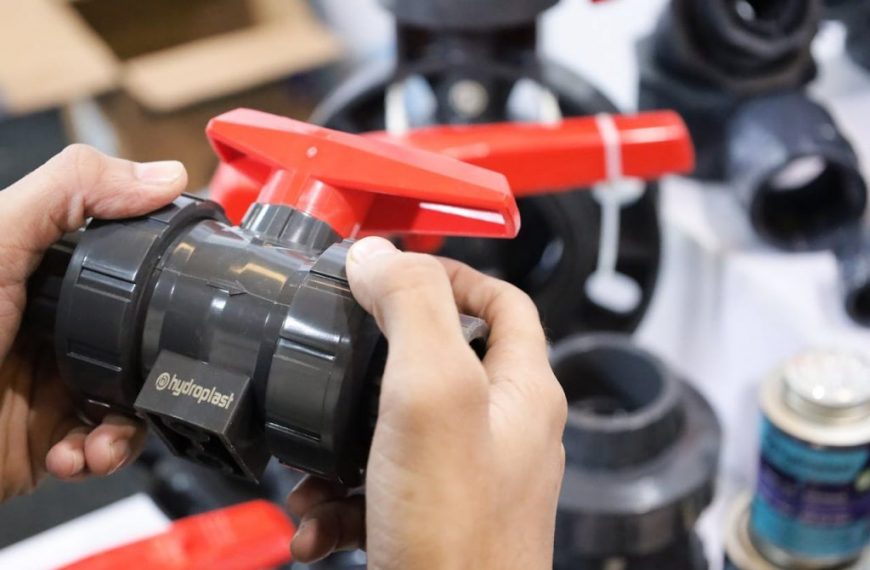
Noise usually comes from air in the drain. Tune the gate valve on a siphon drain slowly. Make small changes and wait 30 seconds each time.
- Target sump salinity stability with an ATO and a lid on the return zone.
- Clean the return pump impeller every 2 to 3 months.
- Use a check valve only as backup, not as your main safety.
Conclusion
A good sump is simple, measured, and easy to service. Set your flow target, then build chambers around stable water levels. Test power-off drain down and mark safe lines before livestock goes in.
Sources: Reef2Reef Sump Design Discussions (community best practices); Bulk Reef Supply Investigates: Sump Flow Rate and Baffle Design (educational series); Manufacturer skimmer manuals for recommended water depth.
 By
By