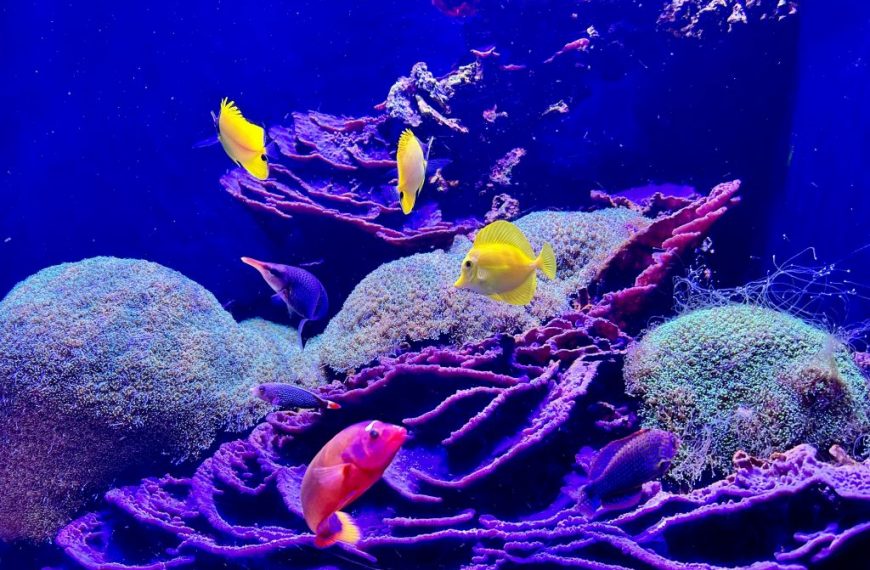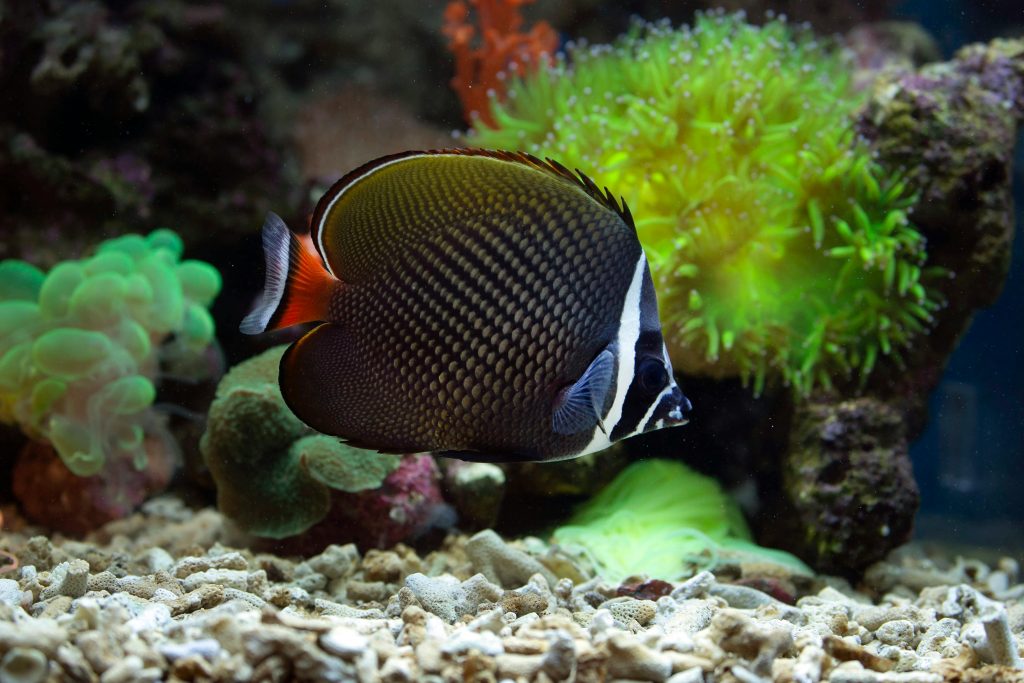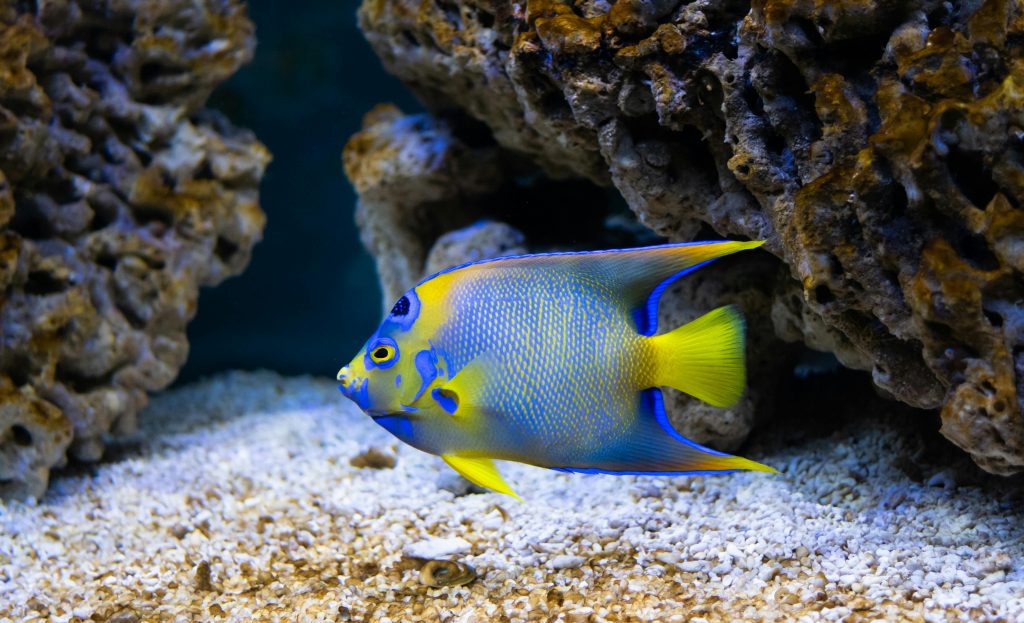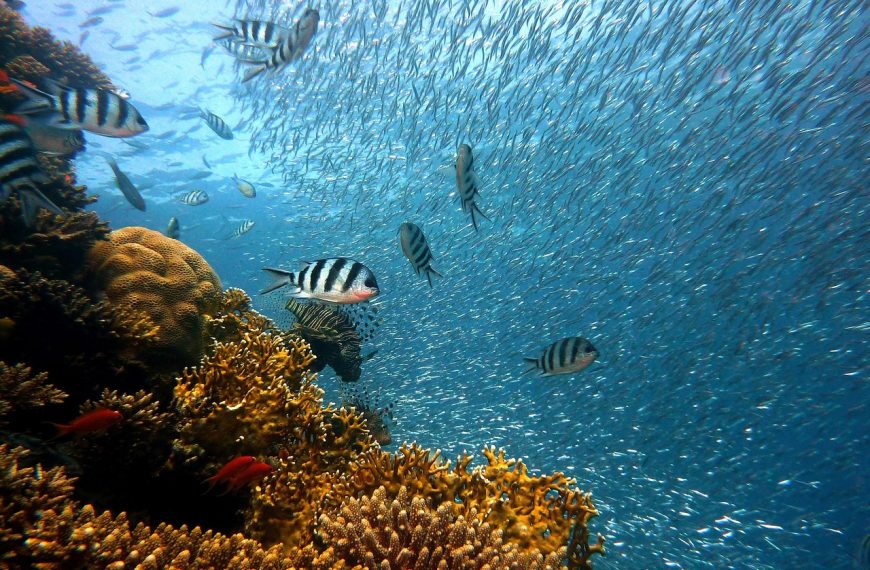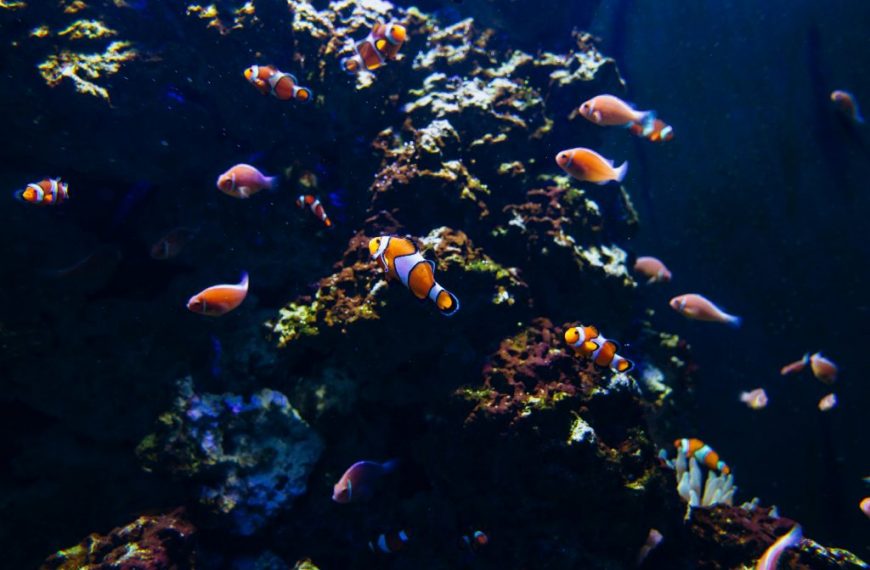
Reef fish can look peaceful in a store tank. In your home reef, space and food change everything. This guide helps you predict aggression and prevent damage.
Why reef fish fight in home aquariums
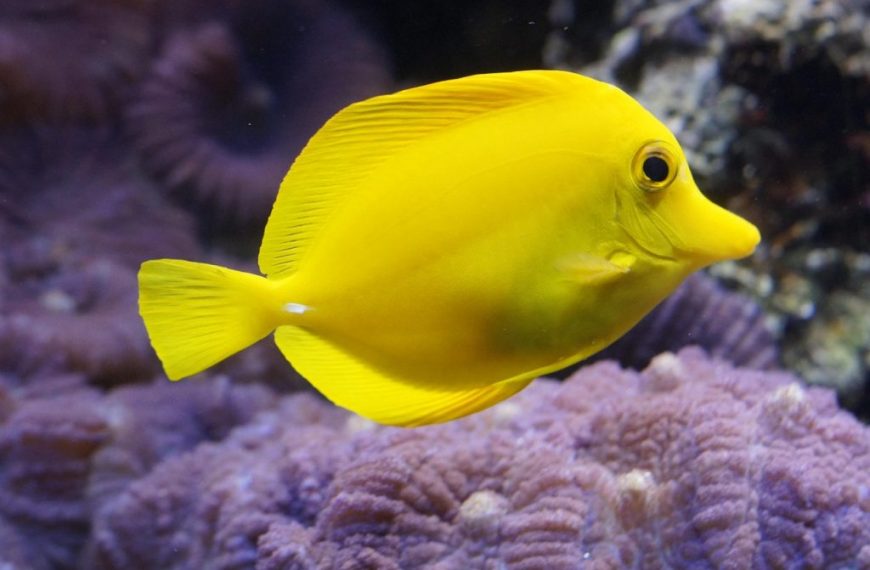
Most aggression is about territory and access to food. Rockwork becomes “owned” once a fish settles in. New arrivals then feel like intruders. This is common with tangs, dottybacks, and many wrasses.
Tank size sets the baseline for behavior. A 40-gallon breeder has short sight lines. That can trap weaker fish in a corner. A 75-gallon tank gives more escape routes. Bigger systems also dilute stress from crowding.
Social rank forms fast in a reef tank. The first fish often becomes the “boss.” Feeding time can harden that rank. Watch for chasing, nipping, and blocked access to caves. Torn fins are a late warning sign.
Water quality can amplify bad behavior. Low oxygen increases irritability. Aim for 76–79°F and stable salinity at 1.025–1.026. Keep pH near 8.1–8.4 and alkalinity 8–9 dKH. Maintain nitrate under 20 ppm for most mixed reefs.
- Early aggression signs: flared fins, tail slaps, repeated looping chases.
- High-risk groups: damsels, dottybacks, hawkfish, large angels, many tangs.
- Common trigger: one feeding spot and one “best” cave.
For baseline planning, use your stocking notes from reef tank stocking order. It reduces surprises during introductions.
Stocking order and aquascape strategies that work
Add peaceful fish first. Add semi-aggressive fish next. Add the most aggressive fish last. This simple order prevents early “ownership.” It also keeps shy fish eating well.
Build rockwork with multiple routes. Create at least three cave zones in medium tanks. Use arches and pillars to break line of sight. A fish that cannot see rivals calms faster. Leave open sand for swimming and feeding.
Use a quarantine tank for every new fish. A 10–20 gallon bare tank works for many species. Observe for 14–30 days when possible. Treat parasites if needed. Then introduce a healthy fish with full energy reserves.
Plan feeding to reduce competition. Feed small amounts two to three times daily. Use a clip for nori on one end. Broadcast frozen food on the other end. That spreads fish out and lowers conflict.
- Rearrange one or two rocks before adding a new fish.
- Dim lights for the first 6–12 hours after release.
- Use two feeding stations in tanks under 90 gallons.
- Target feed timid fish with a turkey baster.
If you need a step-by-step intake process, review how to quarantine reef fish. It helps you avoid adding stress on day one.
Troubleshooting aggression: what to do when it goes wrong
Act fast when you see relentless chasing. “Normal” chasing fades within two to three days. Problem aggression is constant and targeted. The victim stops eating and hides all day. Fins may split or fray.
Use an acclimation box for 3–7 days. It lets the tank see the new fish safely. The newcomer learns feeding schedules. The bully also loses the surprise advantage. Feed both sides of the box during this period.
If the bully is established, remove it for a reset. Place it in a sump, refugium, or spare tank for 5–10 days. Then reintroduce it last, after a small rock shift. This often breaks the territory map in its head.
Have a backup plan for chronic bullies. Some fish never settle in smaller tanks. A 4-inch dottyback can dominate a 55-gallon reef. A mature maroon clown can claim half the tank. In these cases, rehoming is the kind choice.
- Do: add extra shelters with PVC elbows in emergencies.
- Do: increase surface agitation for higher oxygen.
- Don’t: keep “testing” compatibility with repeated releases.
- Don’t: skip meals to “calm” fish. Hunger increases conflict.
For long-term peace, keep a log of conflicts and fixes. Note tank size, fish sizes, and feeding times. Patterns show up quickly. You can also compare notes with reef fish compatibility chart before your next purchase.
Reef fish aggression is manageable with planning and quick action. Use smart stocking order, broken sight lines, and spread-out feeding. When a bully appears, isolate and reset before injuries start.
Sources: Fenner, R. (The Conscientious Marine Aquarist); Sprung, J. (The Reef Aquarium series); Delbeek, J.C. & Sprung, J. (Reef Aquarium Vol. 1–3); Humblefish (marine fish disease and quarantine guidance).
 By
By