Cloudy water can make a reef tank look unhealthy fast. It also blocks light and stresses corals. The good news is most causes are easy to confirm and fix.
Identify the type of cloudiness first
Start by naming what you see. White haze often points to bacteria, sand dust, or microbubbles. Green water usually means a free-floating algae bloom. Yellow tint is often dissolved organics from food and waste.
Use simple tests before you change anything. Check ammonia and nitrite first. Both should be 0 ppm in a stable reef. Check nitrate next. Aim for 2–20 ppm for most mixed reefs. Check phosphate too. Many tanks run best at 0.03–0.10 ppm.
Look at timing and recent changes. Cloudiness after adding sand is often mechanical dust. Cloudiness after heavy feeding can be bacterial. Cloudiness after a water change can be precipitation or microbubbles. If fish gasp, act fast. Increase surface agitation and oxygen.
- White and milky: bacterial bloom, sand dust, precipitation
- Shimmering “snow”: microbubbles from pumps or skimmer
- Green tint: algae bloom from light and nutrients
For deeper testing steps, review our reef tank water parameters guide. It helps you spot patterns quickly.
Fix common causes with safe, repeatable steps
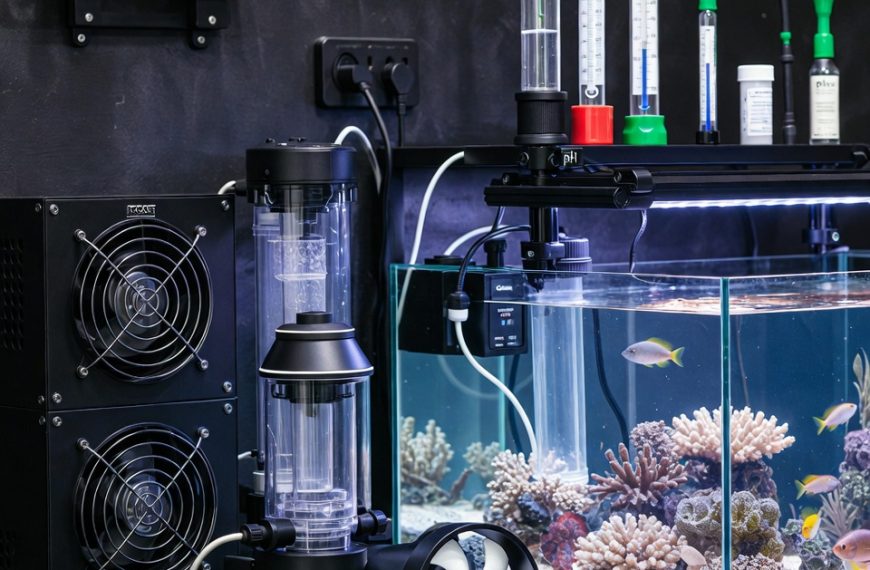
If you suspect sand dust, use a filter sock and patience. Run a 100–200 micron sock for 24–48 hours. Replace or rinse it daily. Aim powerheads away from the sand bed. Reduce flow near the bottom until the bed settles.
If it looks like microbubbles, inspect the return section. Low sump water can create a vortex. Raise the water level and add a sponge baffle. Check for loose fittings on the return line. Also check the skimmer outlet. New skimmers often spit bubbles for a week.
If it is a bacterial bloom, avoid big swings. Do not dose extra bacteria again. Cut feeding by 30–50% for three days. Increase aeration and point a powerhead at the surface. Run fresh activated carbon in a media bag. A UV sterilizer can clear blooms in 24–72 hours.
If the cloudiness started after a water change, check mixing habits. Mix saltwater for 12–24 hours with heat and flow. Match salinity to 1.025–1.026. Match temperature within 1°F. Avoid dumping dry salt into the display. That can cause calcium carbonate precipitation.
- Run carbon for 3–7 days, then replace it
- Use a filter sock during “events,” then remove it
- Do 10–15% water changes weekly until stable
If you need a stable routine, follow our weekly reef tank maintenance checklist. It prevents most cloudy water episodes.
Troubleshooting scenarios and common mistakes
Scenario one is a new tank at week two. You see milky water and rising nitrate. This is often a normal bacterial phase. Keep lights modest and feed lightly. Test ammonia daily until it stays at 0 ppm. Add a small bag of carbon and keep oxygen high.
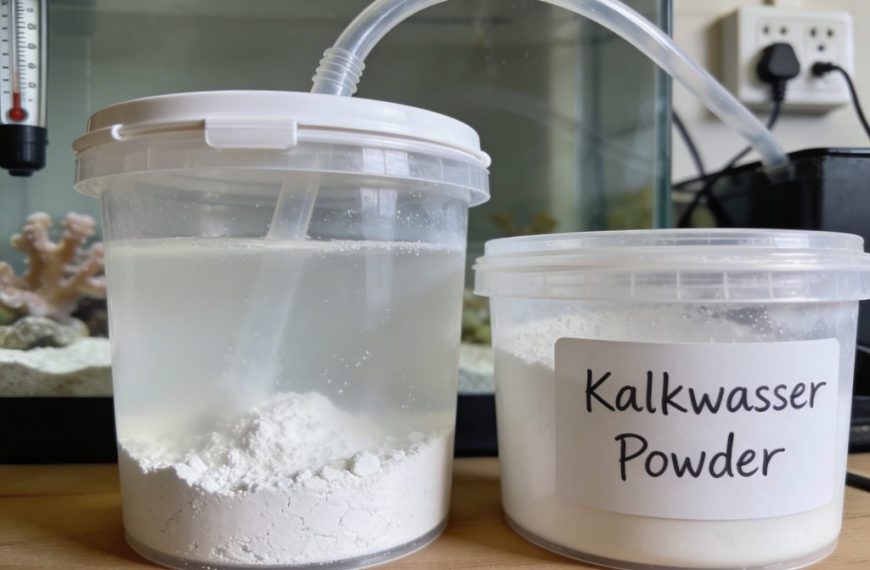
Scenario two is cloudy water after dosing kalkwasser. This can be precipitation from a pH spike. Target pH between 7.9 and 8.4. Dose kalk slowly into high flow. Use a drip or dosing pump. Never add it near a heater intake. Stop dosing for 24 hours if the tank turns white.
Scenario three is green water in a bright tank. Reduce photoperiod to 6–8 hours for a week. Cut white channels first. Keep nutrients in range, not at zero. Many reefs crash when nitrate hits 0 ppm. Add a UV unit if blooms repeat. Clean the skimmer neck often for better export.
Avoid quick fixes that hide the cause. Do not use flocculants in reef tanks. They can irritate gills and corals. Do not overclean live rock. That can restart a cycle. If you added new fish, consider a hidden ammonia source. Review our reef fish quarantine basics for safer stocking.
- Do not chase “perfect” numbers with large dosing changes
- Do not rinse mechanical media in tap water
- Do not increase feeding to “help corals” during blooms
Cloudy reef tank water is usually a clue, not a disaster. Identify the haze type and confirm with tests. Then use small, steady corrections. Stable parameters and good filtration bring clarity back fast.
Sources: Reef Aquarium Chemistry by Randy Holmes-Farley; Instant Ocean and Reef Crystals mixing guidance; Red Sea Reef Care Program testing ranges; Delbeek & Sprung, The Reef Aquarium.
 By
By