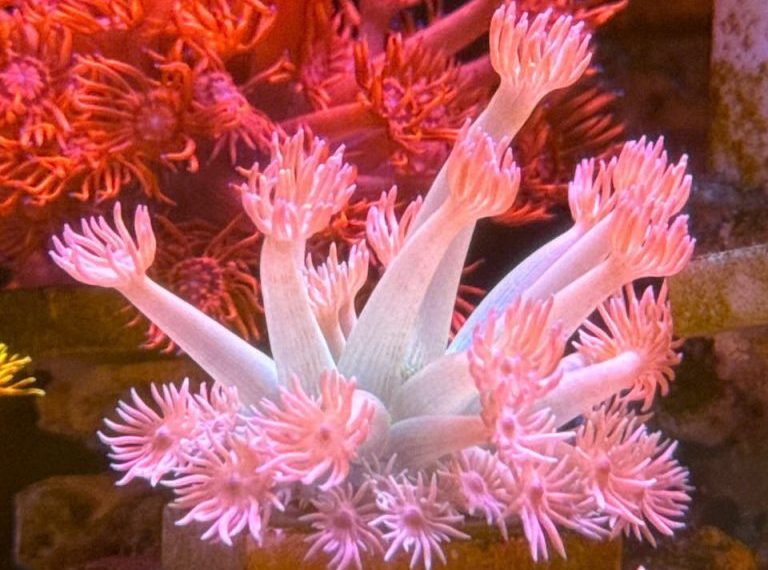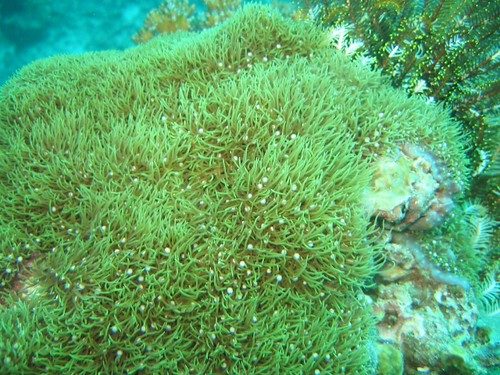

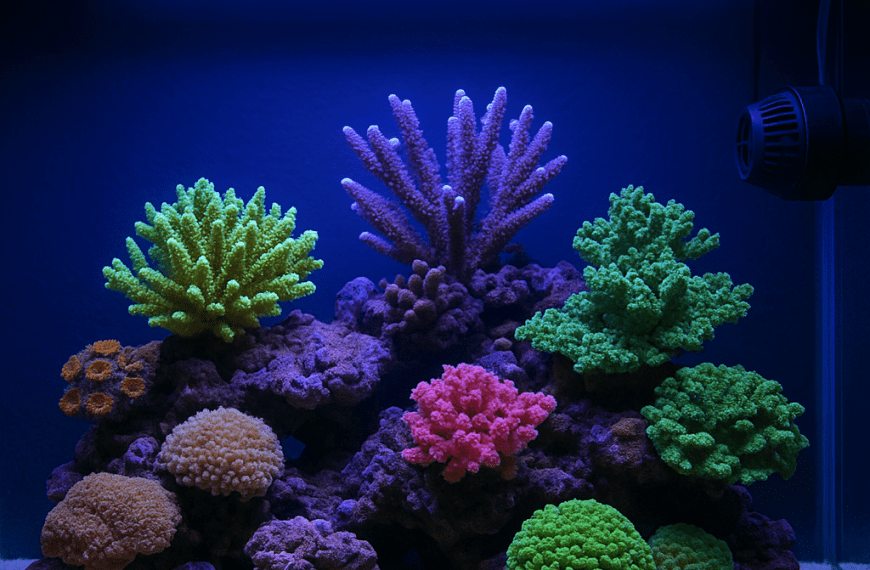
Green Florida Ricordia is one of those corals that makes you stop and stare. Its bubbly texture, glowing green tones, and compact size make it an ideal choice for reef keepers who want vibrant color without adding a demanding showpiece. Whether you’re building your first nano reef or rounding out a mature display, this soft, mushroom-type coral is a hardy, rewarding option.
Care Requirements for Green Florida Ricordia
Florida Ricordea (Ricordea florida) is generally considered beginner-friendly, but like any coral, it thrives when its basic needs are met consistently.
Lighting & Placement
Green Florida Ricordia prefers moderate lighting and does well under both LED and T5 setups.
- Lighting: Moderate PAR (around 75–150). Too much light can cause it to shrink or pale.
- Placement: Lower to mid-level in the tank, on rockwork or rubble where it can attach securely.
- Flow: Low to moderate, indirect flow. Avoid strong, direct streams that cause the polyps to fold or lift.
For more on dialing in your tank’s lighting, check out our guide on reef lighting for soft corals.
Water Parameters
Stable, clean water is more important than chasing specific numbers. Aim for:
- Temperature: 76–78°F (24–26°C)
- Salinity: 1.024–1.026 specific gravity
- pH: 8.1–8.4
- Alkalinity: 8–9.5 dKH
- Calcium: 400–450 ppm
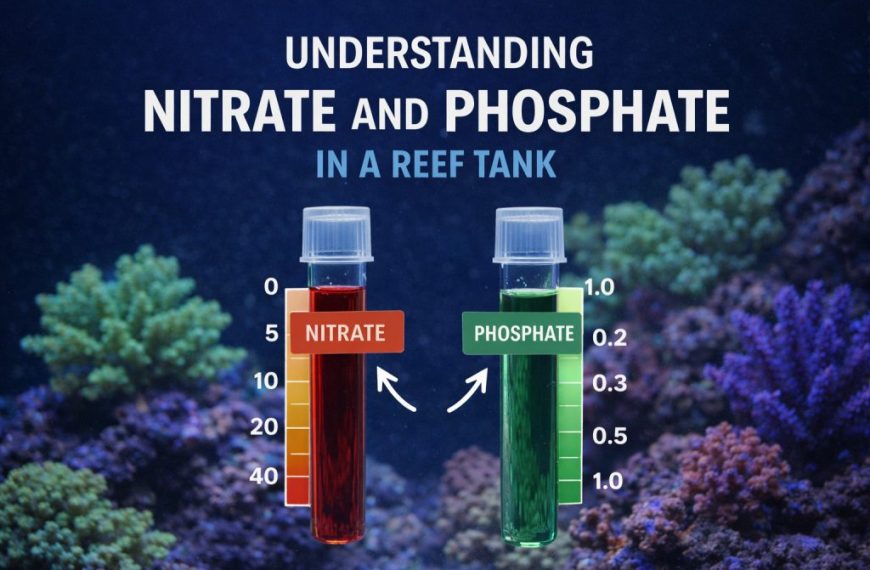
- Nitrate: 2–15 ppm
- Phosphate: 0.03–0.1 ppm
Tip: Ricordia often expand more fully in slightly “nutrient-rich” systems. Ultra-low nutrients can cause them to shrink and lose color.
Feeding, Growth, and Behavior
Although Green Florida Ricordia hosts symbiotic zooxanthellae and can rely on light for much of its energy, it responds very well to targeted feeding.
What and How to Feed
- Offer small meaty foods like mysis shrimp, finely chopped krill, or high-quality reef pellets.
- Use a turkey baster or pipette to gently place food on the oral disc.
- Feed 1–2 times per week; overfeeding can foul the water.
When well-fed and kept in stable conditions, Green Florida Ricordia will gradually form a colorful cluster. New polyps often appear from the base and spread across nearby rock. If you’re planning a dedicated mushroom garden, read our article on mushroom coral care for layout ideas and compatibility tips.
Compatibility and Tank Mates
Green Florida Ricordia is peaceful and does best with other gentle corals and non-aggressive fish. Keep these points in mind:
- Avoid placing it too close to stinging LPS (like some Euphyllia or Galaxea) that can damage its tissue.
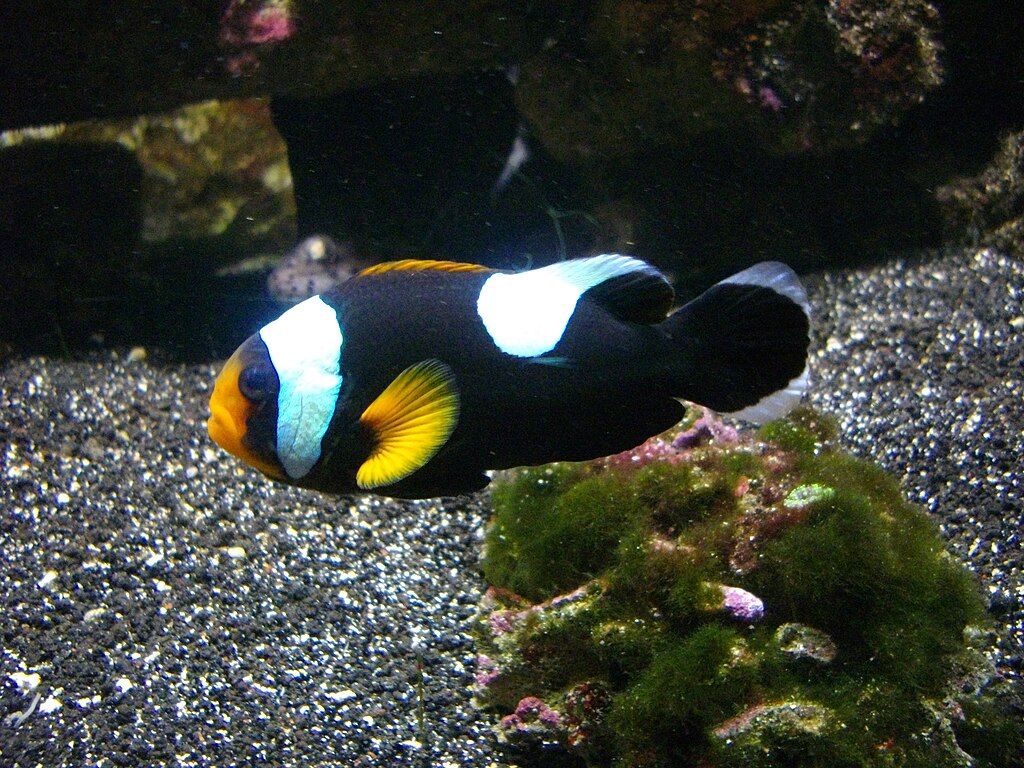
- Most reef-safe fish, shrimp, and snails are fine companions.
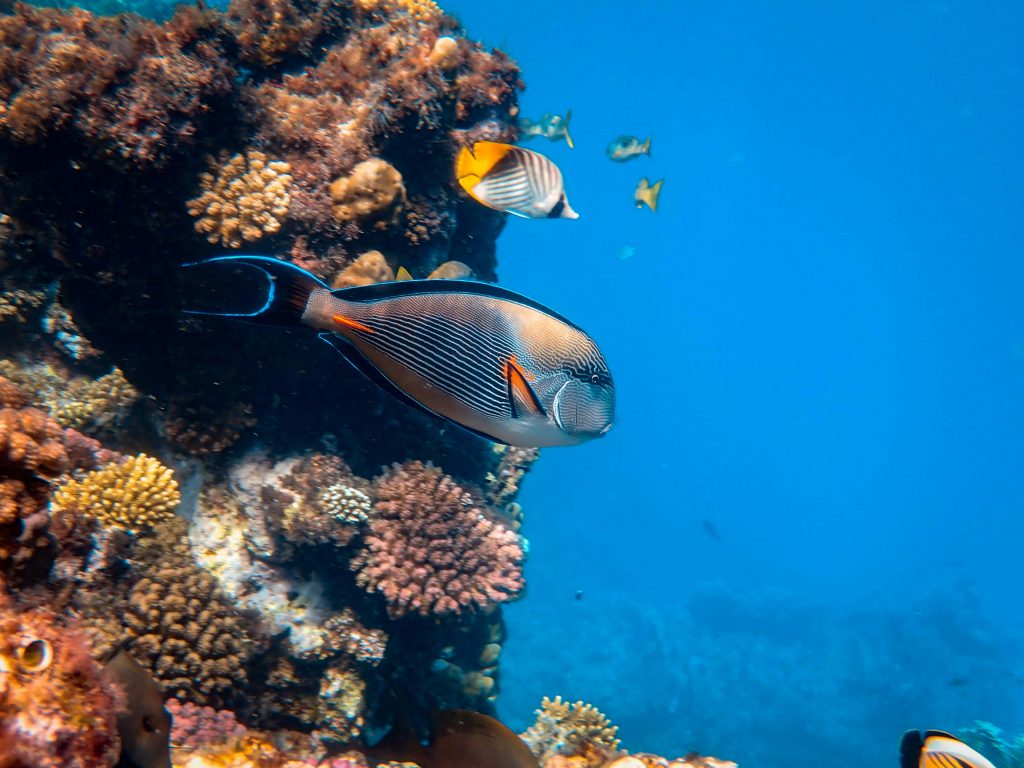
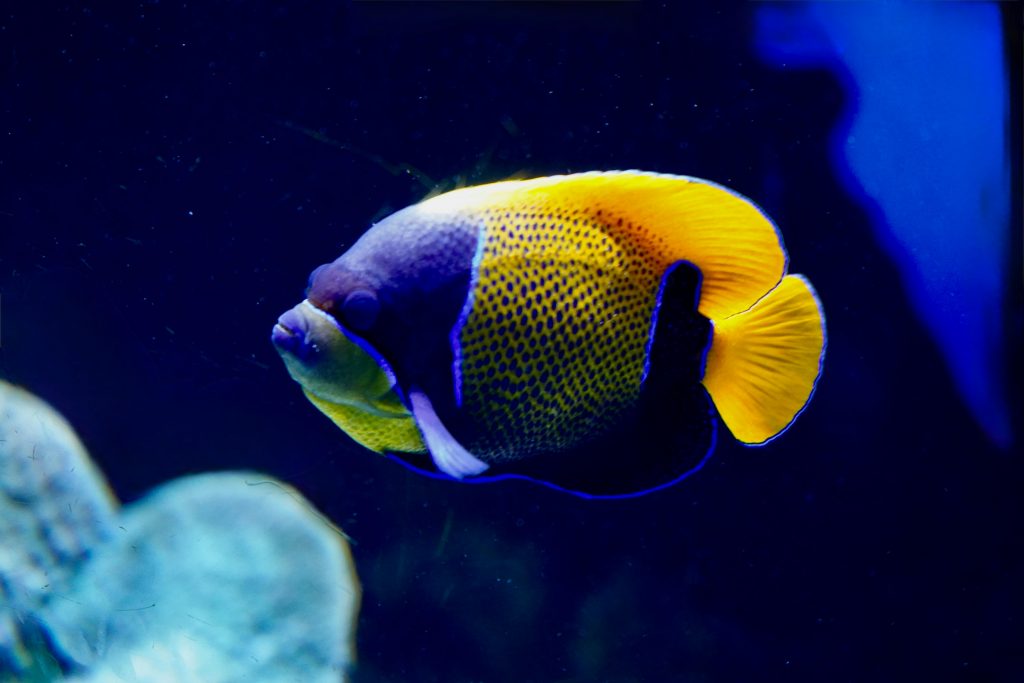
- Watch out for coral-nipping angels and butterflies, which may pick at the polyps.
For stocking ideas, see our overview of best fish for reef tanks.
Why Green Florida Ricordia Belongs in Your Reef
Between its glowing green coloration, forgiving care requirements, and compact growth, Green Florida Ricordia fits comfortably into a wide range of setups—from small desktop tanks to large mixed reefs. It adds texture and contrast against branching SPS and fleshy LPS, and its gentle movement and inflated bubbles bring a unique look to the rockwork.
If you provide moderate light, gentle flow, stable water, and occasional feeding, this coral will reward you with steady growth and eye-catching color for years. For reef keepers who want something hardy yet visually striking, Green Florida Ricordia is an easy choice.
Sources
- Borneman, E. H. (2001). Aquarium Corals: Selection, Husbandry, and Natural History. TFH Publications.
- Sprung, J. (2001). Corals: A Quick Reference Guide. Ricordea and Corallimorpharia sections.
- Delbeek, J. C., & Sprung, J. (1994–2005). The Reef Aquarium Vols. 1–3. Ricordea husbandry discussions.
 By
By