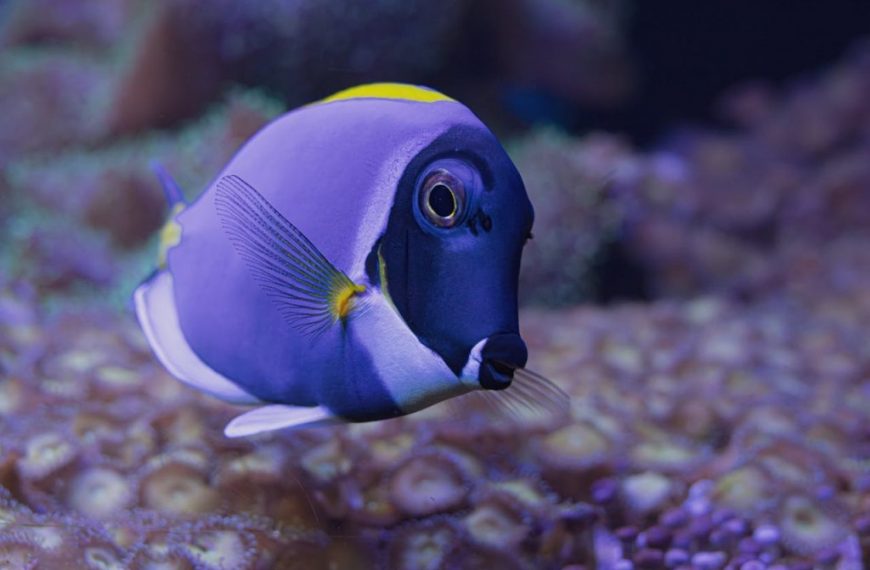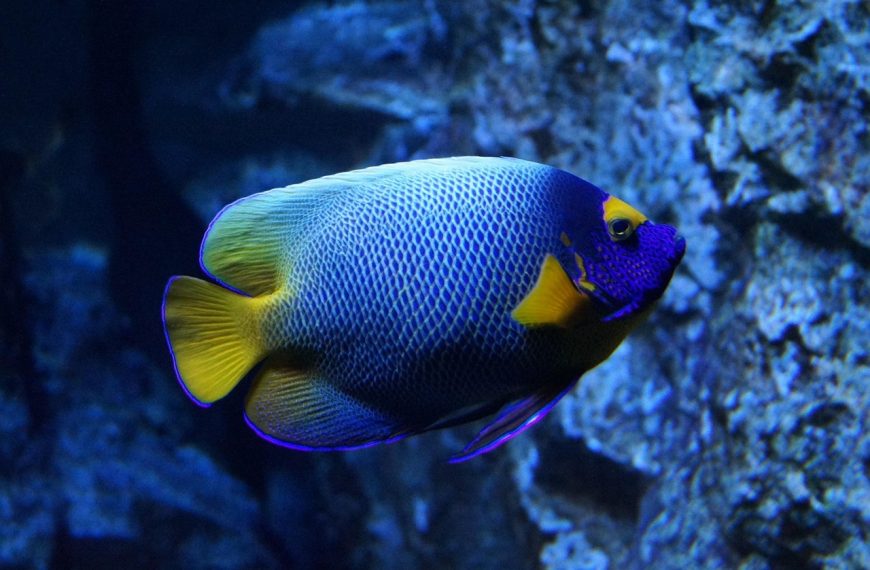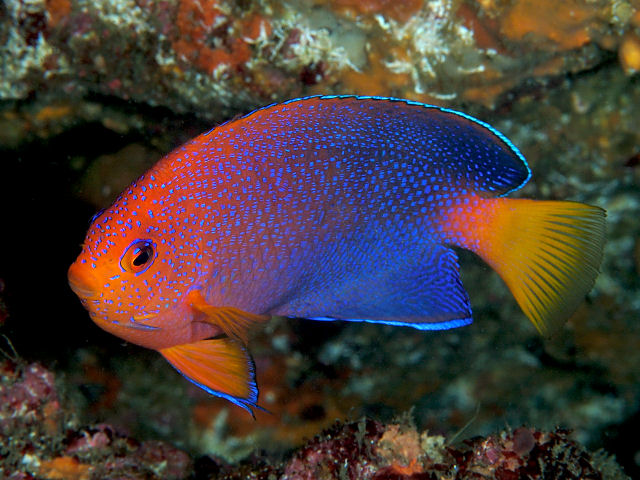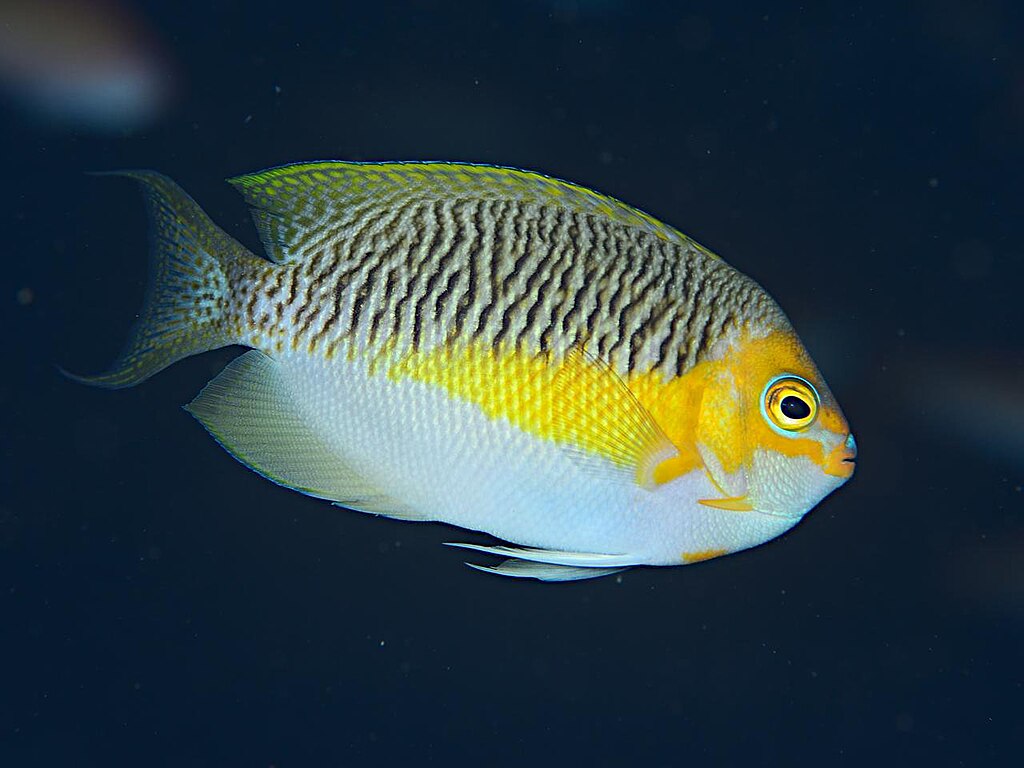
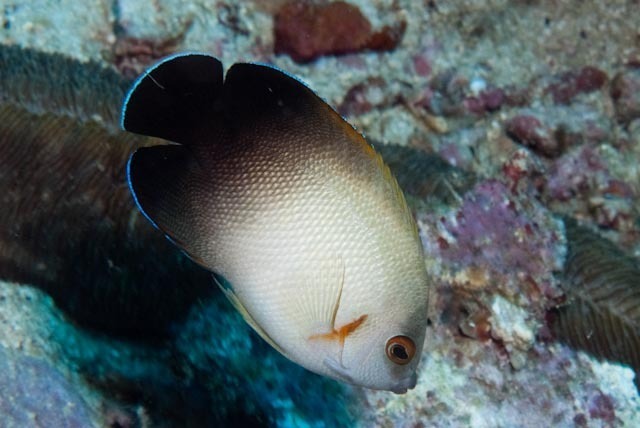
Half Black Angelfish (Centropyge vrolikii) is a hardy dwarf angel with bold contrast and big personality. It can work in many community saltwater tanks. Success depends on tank size, feeding, and smart coral choices.
Natural behavior and tank setup
C. vrolikii comes from Indo-Pacific reefs and rubble zones. It spends the day picking at rock and algae. It also darts into cover when startled. Plan your aquascape to match that pattern.
Use a 55-gallon tank as a practical minimum for one adult. A 75-gallon tank is safer with active tankmates. Aim for stable parameters. Keep salinity at 1.025, temperature at 24–26°C, and pH at 8.1–8.4. Keep nitrate under 20 ppm and phosphate under 0.10 ppm.
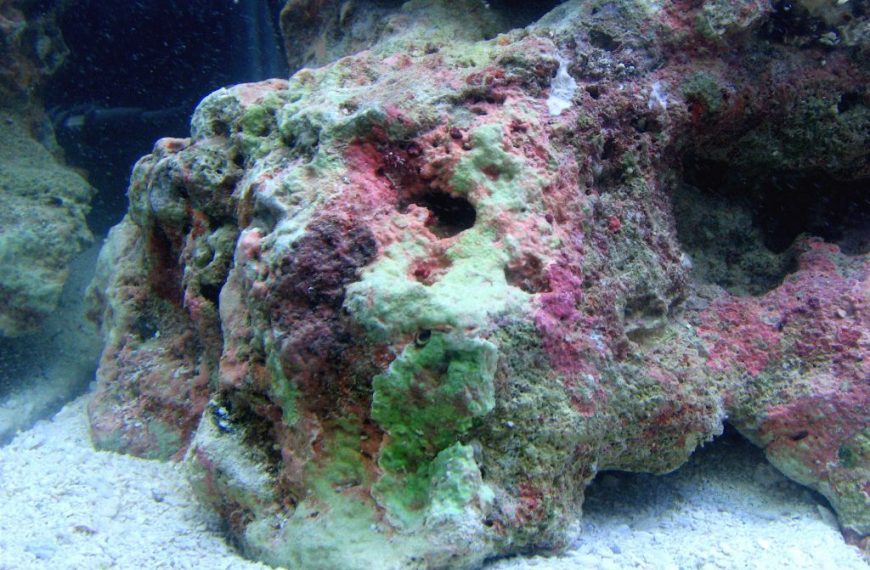
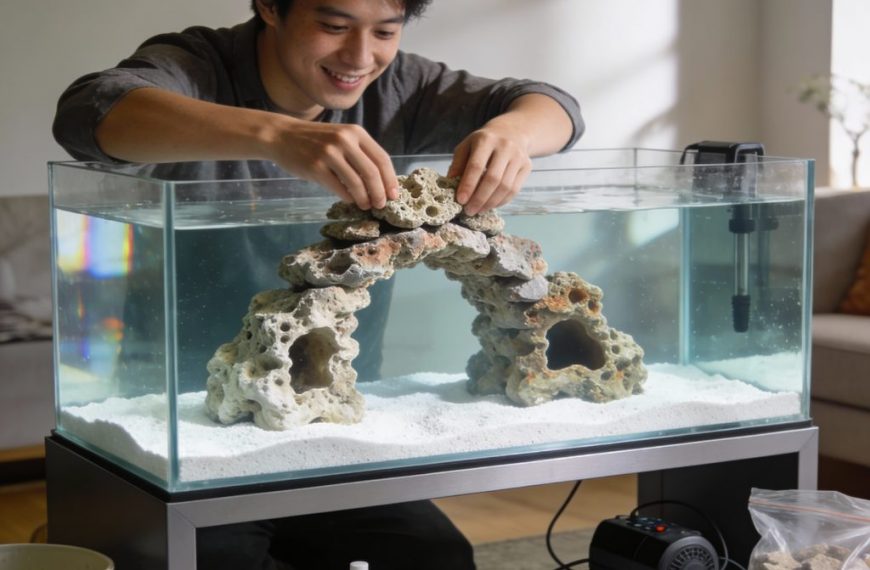
Build a rockscape with several caves and swim-throughs. Leave open lanes for short bursts of swimming. Add a few shaded ledges for grazing. Strong flow helps oxygen and keeps detritus suspended. Use a quality skimmer and steady filtration.
Quarantine reduces losses and protects your display. A 10–20 gallon bare-bottom tank works well. Observe for 14–30 days. Watch for flashing, frayed fins, and rapid breathing. For a full step-by-step, see our saltwater fish quarantine guide.
- Provide at least 1–1.5 pounds of live rock per gallon.
- Keep alkalinity stable at 8–9 dKH to limit stress swings.
- Use a tight lid or mesh top to prevent jump-outs.
Feeding and daily care
Half Black Angelfish does best with frequent, varied meals. Feed two to three times daily. Offer a small portion each time. This reduces aggression and supports constant grazing needs.
Start with frozen mysis, brine enriched with HUFA, and finely chopped clam. Add a quality marine pellet sized 0.8–1.2 mm. Include algae-based foods daily. Use nori sheets or spirulina flakes. Many individuals also accept angelfish blends with sponge.
Watch body shape from above. A healthy fish looks full behind the head. A pinched belly means underfeeding or parasites. If it ignores prepared food, try live blackworms or fresh clam on the half shell. Dim the lights during the first week. Reduce competition at feeding time.
Plan maintenance around stability. Change 10% weekly or 20% every two weeks. Match salinity within 0.001 specific gravity. Match temperature within 0.5°C. Clean the skimmer cup twice weekly. Replace filter socks every two to three days. For routines, see our reef tank maintenance schedule.
- Feed algae foods in the morning and frozen foods in the evening.
- Soak food in vitamins twice weekly to prevent deficiencies.
- Remove uneaten food after five minutes to control nutrients.
Reef compatibility, tankmates, and troubleshooting
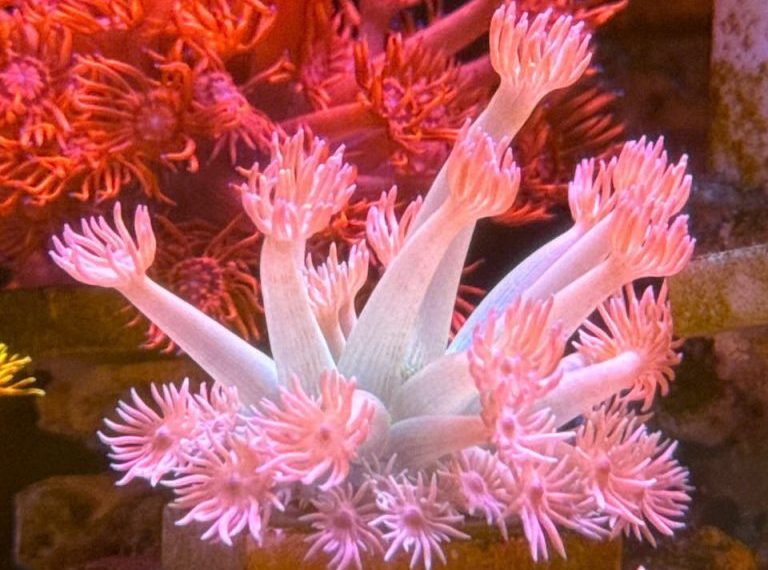
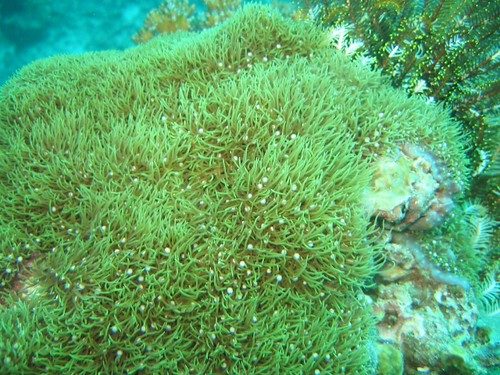
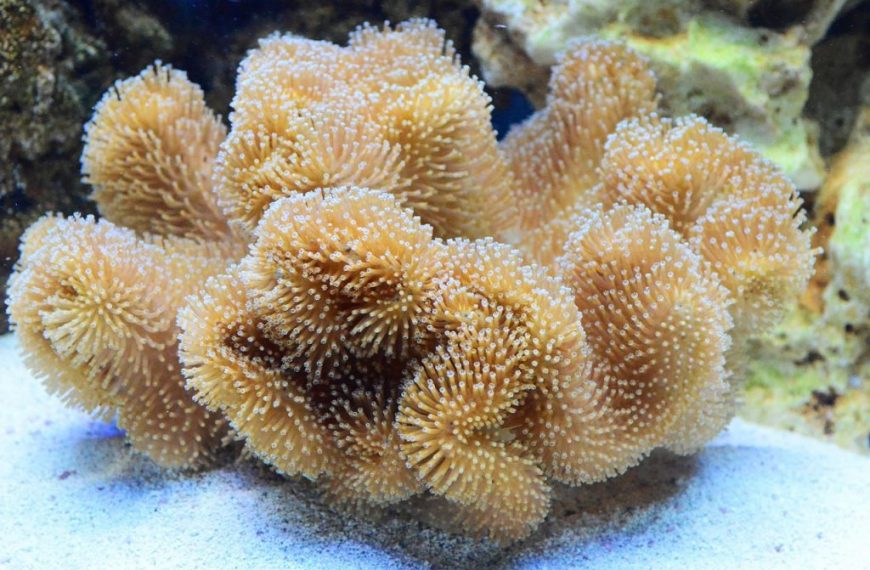
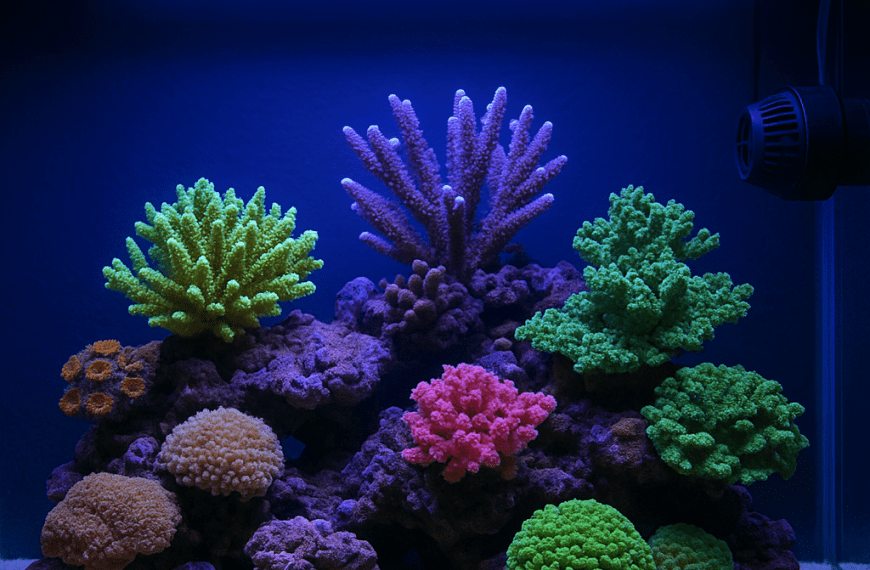
This species is “reef with caution.” Many individuals behave well in mixed reefs. Some will nip at LPS, zoanthids, and clam mantles. Risk rises when the fish is hungry or stressed. Heavy feeding and mature live rock reduce nipping.
Choose tankmates with care. Avoid mixing with other dwarf angels in small tanks. Territorial fights can be intense. In 90 gallons or more, you may try one other Centropyge with lots of rock. Add them together and rearrange rockwork. Peaceful companions include fairy wrasses, gobies, blennies, and smaller tangs in larger systems.
Common mistakes include adding the fish to a new tank. Immature tanks lack microalgae and sponge growth. Another mistake is low oxygen at night. Heavy rock and warm water can reduce dissolved oxygen. Use surface agitation and strong skimming. If you see rapid gill movement, test ammonia first. Then increase aeration and check temperature.
If you see white spots, act fast. Move the fish to quarantine for treatment. Leave the display fallow if needed. If the fish hides and stops eating, check bullying and lighting. Provide a quiet cave and reduce flow near its shelter. For coral planning, review our reef-safe fish list and compare risks.
- Introduce the angelfish after the most timid fish settle in.
- Use an acclimation box for 24–72 hours in aggressive communities.
- If coral nipping starts, increase feeding frequency for two weeks.
Half Black Angelfish can be a standout addition when its needs are met. Give it space, stable water, and frequent varied foods. With careful coral selection and smart tankmate choices, it often thrives for years.
Sources: FishBase (Centropyge vrolikii species summary); Scott W. Michael, Reef Fishes Volume 1; Fenner, The Conscientious Marine Aquarist.
 By
By