Nitrate and phosphate tests guide almost every reef decision. They help you tune feeding, filtration, and water changes. With a simple routine, your results become reliable and repeatable.
Pick the right test and set a target range
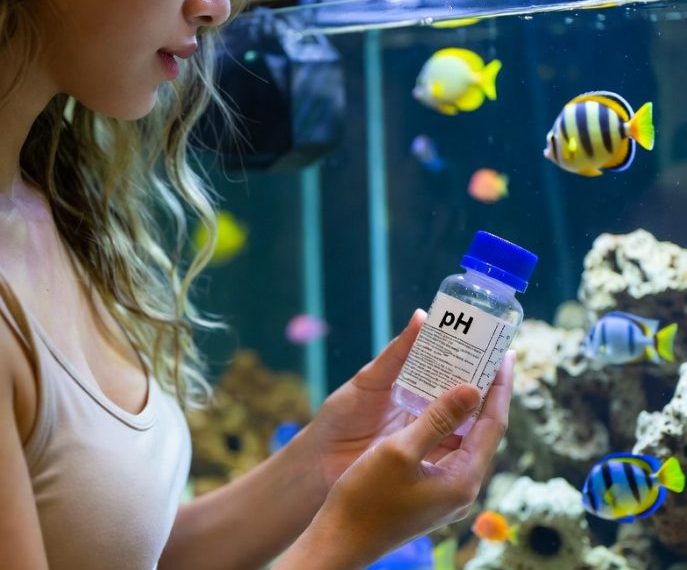
Start by choosing a test type that matches your goals. Colorimetric kits work well for most tanks. Photometers cost more, but they reduce guesswork. Test strips are fast, but they often lack precision.
Set target ranges before you test. For mixed reefs, aim for nitrate at 2–15 ppm. Keep phosphate at 0.03–0.10 ppm. For SPS-heavy tanks, many hobbyists run nitrate 1–10 ppm and phosphate 0.02–0.08 ppm.
Match the test range to your expected values. Some nitrate kits struggle below 5 ppm. Some phosphate kits struggle below 0.05 ppm. If you run ultra low nutrients, choose a low-range phosphate method.
Use the same brand for a few months. This builds a stable baseline. Switch tests only when you confirm a mismatch. If numbers change after a new kit, verify with a second method.
- Use nitrate resolution of 1–2 ppm for reefs.
- Use phosphate resolution of 0.01–0.02 ppm for reefs.
- Write your target range on the test box.
For related setup steps, see reef tank water parameters. If you are new to kits, review how to read aquarium test kits.
Step-by-step: how to test nitrate and phosphate
Test at the same time of day each week. Nutrients swing after feeding and lights. Many reefers test 2–4 hours after lights on. Avoid testing right after a water change.
Rinse vials with tank water three times. Then fill to the exact line. Use a syringe for accuracy. A 1 ml error can shift phosphate readings a lot.
Follow the kit timing with a timer. Shake reagents hard when instructed. For nitrate, many kits need 30–60 seconds of vigorous shaking. For phosphate, mix gently if bubbles affect clarity.
Read color cards under consistent light. Use a white background. Avoid blue reef lighting during the read. If you use a photometer, wipe the vial with a lint-free cloth.
- Use a dedicated timer for each test step.
- Keep reagents dry and tightly capped.
- Replace kits every 12–18 months, or sooner if clumped.
Log results with date, time, and notes. Include feeding changes and media swaps. Trends matter more than one number. A steady rise often points to export limits.
Troubleshooting odd readings and making safe adjustments
Zero readings can be real, but confirm them. Retest with fresh water from the tank. Then test a known reference if you have one. A bad reagent bottle can read zero for weeks.
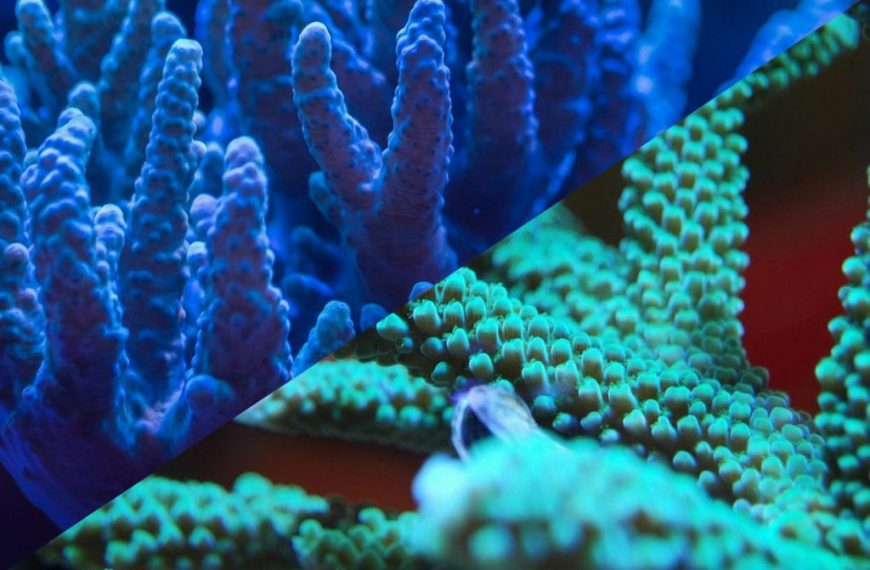
High nitrate with low phosphate is common. It often follows heavy skimming and phosphate media use. Corals may pale when phosphate stays under 0.02 ppm. Reduce GFO or feed a bit more phosphorus-rich food.
High phosphate with low nitrate can happen in new tanks. It can also follow aggressive carbon dosing. In that case, bacteria consume nitrate first. Try smaller carbon doses and add more mechanical export.
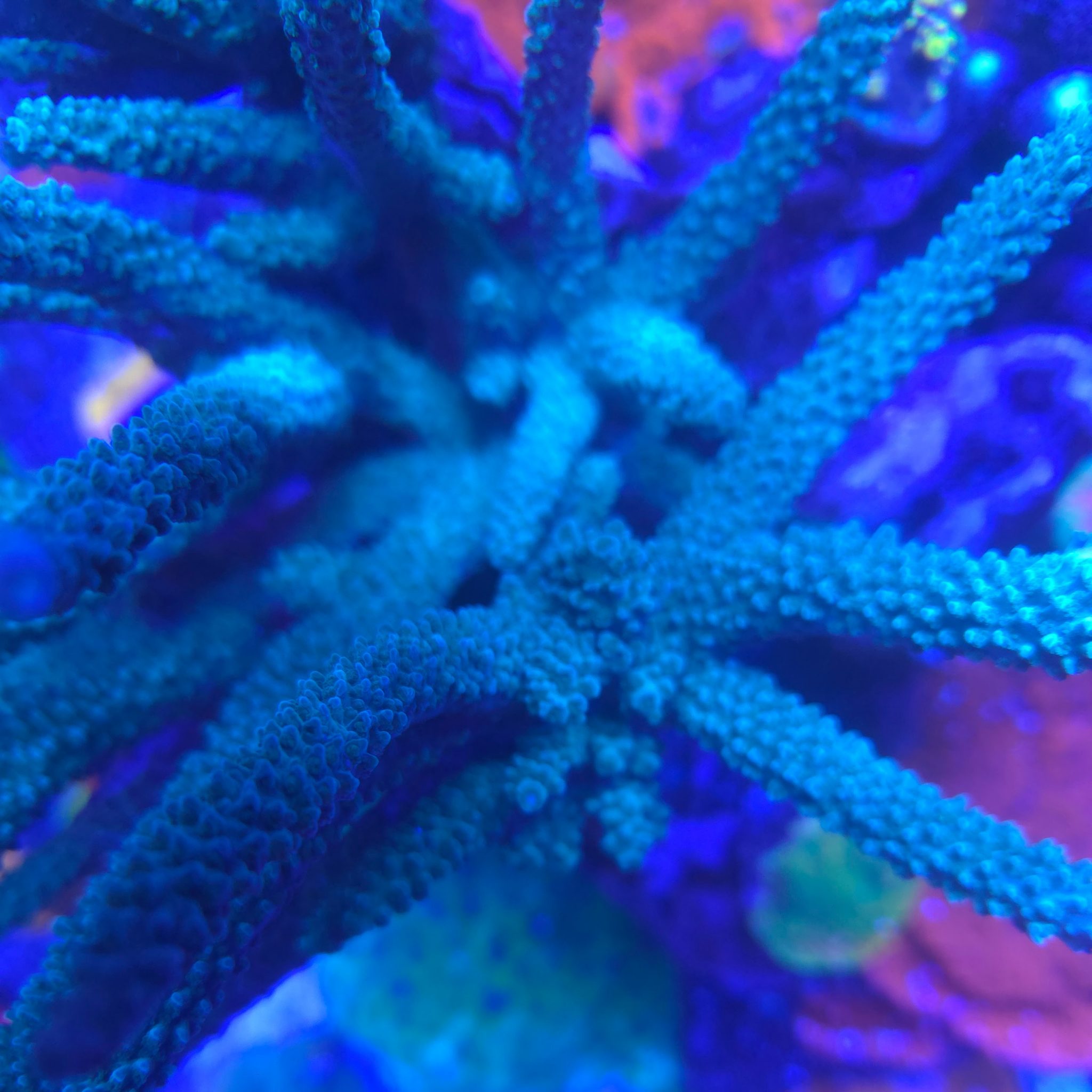
Make changes slowly and watch coral response. Aim for nitrate shifts under 5 ppm per week. Aim for phosphate drops under 0.03 ppm per week. Fast drops can stress SPS and trigger tissue loss.
- If nitrate climbs, increase water changes to 10–15% weekly.
- If phosphate climbs, change filter socks every 2–3 days.
- Rinse frozen foods to reduce phosphate input.
If you need export options, read how to lower nitrate in a reef tank. Combine export methods, but change one thing at a time.
Common mistakes include dirty vials and rushed timing. Another issue is testing right after feeding. Also watch for cross contamination from wet droppers. Keep droppers off the tank rim.
Sources: Salifert Test Kit Instructions (Nitrate, Phosphate); Hanna Instruments Checker Method Sheets (Marine Phosphate); Red Sea Reef Care Program guidance on nutrient balance.
 By
By